


Your alarm goes off and the first thing you notice isn’t the sunrise over the San Tan Mountains. It’s a dull headache at your temples and a jaw that feels like it ran a marathon overnight. Maybe your partner has mentioned a strange grinding sound while you sleep.
If that sounds familiar, you may be one of the many adults who grind or clench their teeth at night, often without knowing it. Here’s what’s going on and how a simple custom nightguard can protect your smile and your sleep.
What Is Bruxism?
Bruxism is the medical term for grinding or clenching your teeth. Sleep bruxism happens unconsciously at night. Some people also clench during the day, while sitting in traffic on the 101 or 202, working through a deadline, or concentrating at the gym.
The forces involved can be surprisingly powerful, far more than normal chewing. Night after night, that pressure takes a toll.
Signs You May Be Grinding
- Morning headaches, especially around the temples
- Sore, tired, or tight jaw muscles when you wake up
- Teeth that look flat, chipped, or shorter than they used to
- Increased tooth sensitivity
- Cracked teeth or broken fillings
- A partner who hears grinding at night
- Tongue or cheek indentations
What Causes It?
There’s usually more than one factor at play:
Stress and anxiety. Life in a fast-growing city can be demanding, and stress often shows up as nighttime clenching.
Sleep issues. Grinding is sometimes linked to sleep disorders such as sleep apnea. If you snore loudly or feel exhausted after a full night’s sleep, mention it to your doctor and your dentist.
Bite alignment. Teeth that don’t meet evenly can contribute to clenching patterns.
Lifestyle factors. Caffeine, alcohol, and certain medications can make grinding worse.
How Grinding Connects to TMJ Problems
Your temporomandibular joints, or TMJs, connect your lower jaw to your skull, just in front of your ears. Constant grinding and clenching can overwork the muscles and strain these joints, leading to temporomandibular disorders, often called TMD or just “TMJ.”
Signs of TMD include:
- Jaw pain or tenderness, especially when chewing
- Clicking, popping, or grating sounds when opening your mouth
- A jaw that feels stuck or locks
- Earaches or ear fullness without an ear infection
- Facial pain and neck tension
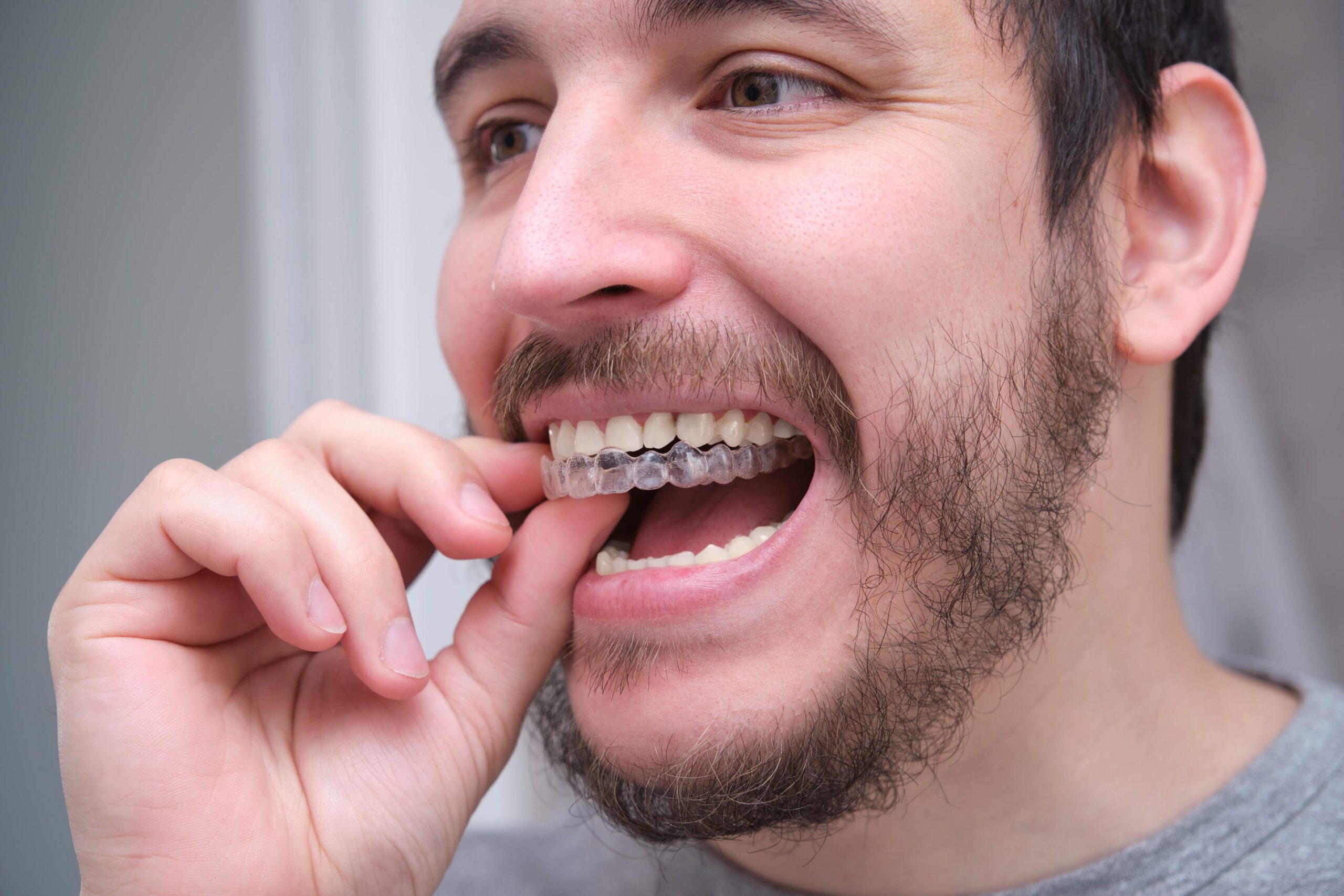
Why a Custom Nightguard Beats a Drugstore Version
Over-the-counter guards are tempting because they’re cheap and easy. But they’re made to fit everyone, which means they don’t fit anyone perfectly. They can be bulky, fall out at night, and sometimes even encourage more chewing and clenching.
A custom nightguard from your dentist is:
- Made from precise impressions or scans of your teeth
- Thinner and more comfortable, so you’ll actually wear it
- Designed to balance your bite and help jaw muscles relax
- Durable enough to last for years with proper care
Think of it as an investment that protects much more expensive dental work. A nightguard costs far less than repairing cracked teeth or replacing crowns.
TMJ Treatment at Provinces Dental
Every TMJ evaluation starts with listening. We’ll ask about your symptoms, check how your jaw moves, feel the joints and muscles for tenderness, and examine your teeth for wear patterns. Depending on what we find, treatment may include a custom nightguard or splint, bite adjustments, guidance on jaw exercises and habits, and, when needed, coordination with other healthcare providers.
Most TMJ issues improve with conservative care. Surgery is rarely necessary.
Protect Your Teeth While You Sleep
If you’re waking up sore or noticing wear on your teeth, contact Provinces Dental. Dr. Albert Lin, a Chandler native, and our team will help you find relief. We serve Chandler, Gilbert, Tempe, Mesa, and Ahwatukee, with Saturday appointments available.
Frequently Asked Questions
How long does a custom nightguard last?
With proper care, many custom nightguards last several years. Heavy grinders may need replacements sooner. Bring it to your checkups so we can check for wear.
Can grinding damage my teeth permanently?
Yes. Grinding can wear down enamel, crack teeth, and damage fillings and crowns. Enamel doesn’t grow back, so early protection matters.
Will a nightguard stop me from grinding?
A nightguard doesn’t always stop the habit, but it protects your teeth and can reduce muscle strain and morning soreness.
How do I clean my nightguard?
Rinse it every morning, brush it gently with a soft toothbrush and cool water, let it air dry, and store it in its case. Avoid hot water, which can warp it.


