


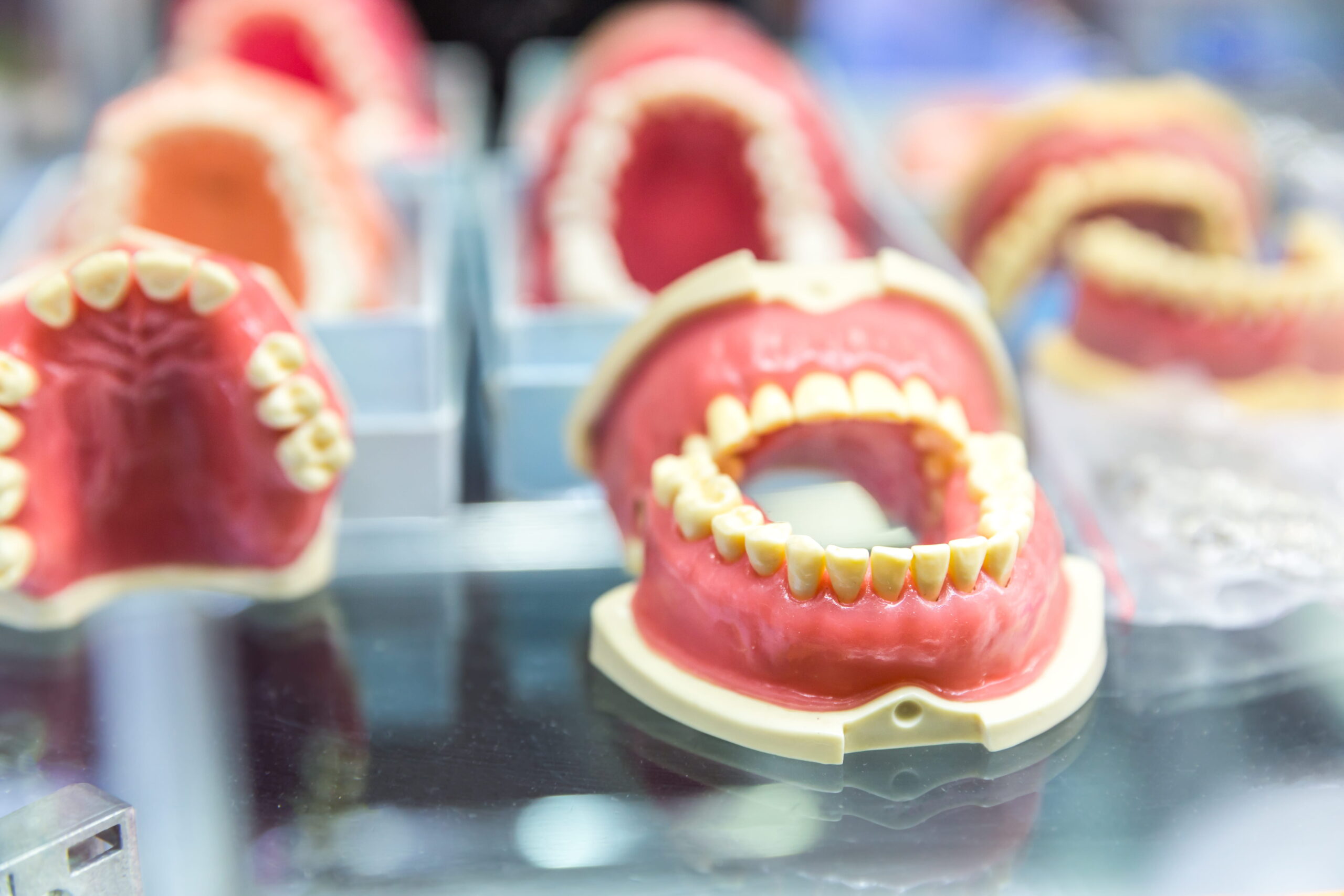
Mention dentures and many people picture a glass of water on the nightstand, clicking sounds at the dinner table, and a smile that looks a little too perfect. That image is decades out of date.
Today’s dentures are more natural-looking, more comfortable, and more stable than ever. Whether you’re missing a few teeth or all of them, there’s likely an option that fits your life. Here’s what patients in Chandler, Sun Lakes, and across the East Valley should know.
Why Replacing Missing Teeth Matters
Missing teeth affect more than your smile. Over time, gaps can lead to:
- Difficulty chewing healthy foods like fresh vegetables and lean proteins
- Changes in speech
- Remaining teeth shifting into empty spaces
- Bone loss in the jaw, which can make the face look sunken or older
- Lower confidence in social situations
Replacing missing teeth helps restore function, protect your remaining teeth, and support your facial structure.
Option 1: Full Dentures
Full dentures replace all the teeth in the upper arch, lower arch, or both. Modern full dentures are custom-made with lifelike teeth and gum-colored bases shaped to complement your face.
Good to know: Upper dentures often hold well because they cover the roof of the mouth and create suction. Lower dentures tend to be less stable because there’s less surface area, which is one reason many patients consider implant support.
Option 2: Partial Dentures
If you still have some healthy natural teeth, a partial denture fills in the gaps. It attaches to your existing teeth with discreet clasps or attachments. Partials help keep remaining teeth from shifting and are removable for easy cleaning.
Option 3: Implant-Supported Dentures
This is where denture technology has changed the most. Instead of resting only on your gums, an implant-supported denture snaps onto or is secured to dental implants placed in the jawbone.
The benefits are significant:
- Stability. No slipping or shifting while you eat, talk, or laugh
- Better chewing. Many patients enjoy foods they’d given up
- Less or no adhesive. Say goodbye to messy creams
- Bone preservation. Implants stimulate the jawbone and help slow the bone loss that happens after teeth are lost
- More comfort. Less rubbing and fewer sore spots
Some implant dentures are removable for cleaning, while others are fixed in place and only removed by your dentist. We’ll help you decide which suits your needs, health, and budget.
Experience Matters With Implants
Dr. David Poelman has been practicing in Chandler since 2002, and dental implants are one of the parts of dentistry he enjoys most. He took his first implant course more than 15 years ago and has kept refining his skills ever since. He has been a Faculty Club member at Spear Education in Scottsdale and founded the Olympia Institute, where he trains other dentists in implant and Invisalign dentistry.
What to Expect When Getting Dentures
- Consultation. We examine your mouth, take X-rays, and talk about your goals, lifestyle, and budget.
- Treatment planning. If any teeth need to be removed or implants placed, we plan each step carefully.
- Impressions and design. We capture precise records and choose tooth shape and shade to fit your face.
- Try-in. In many cases, you can preview the fit and look before your final dentures are made.
- Delivery and adjustments. We fine-tune the fit so you’re comfortable. A few follow-up adjustments are normal.
Give yourself a few weeks to adapt. Speaking and eating may feel different at first, but most people adjust quickly with practice.
Caring for Your Dentures
- Remove and rinse dentures after eating
- Brush them daily with a soft brush and non-abrasive cleaner
- Soak them overnight if your dentist recommends it
- Keep up with dental visits, since your gums and jaw change over time
- Never use hot water, which can warp dentures
Rediscover Your Smile
If missing teeth or uncomfortable dentures are holding you back, contact Provinces Dental. We serve patients from Chandler, Sun Lakes, Gilbert, Tempe, and Mesa, with early weekday and Saturday appointments available.
Frequently Asked Questions
How long do dentures last?
Most dentures last about 5 to 10 years with good care. They may need relines or adjustments as your gums and jawbone change.
Can I eat normally with dentures?
There’s a learning curve. Start with soft foods cut into small pieces. Implant-supported dentures usually allow a much wider range of foods.
Are implant-supported dentures worth the extra cost?
Many patients find the added stability, comfort, and bone preservation well worth it. We’ll walk you through costs and options so you can decide.
Do I have to take my dentures out at night?
For most traditional dentures, yes. Removing them lets your gums rest and helps keep your mouth healthy. Your dentist will give you specific instructions.


