


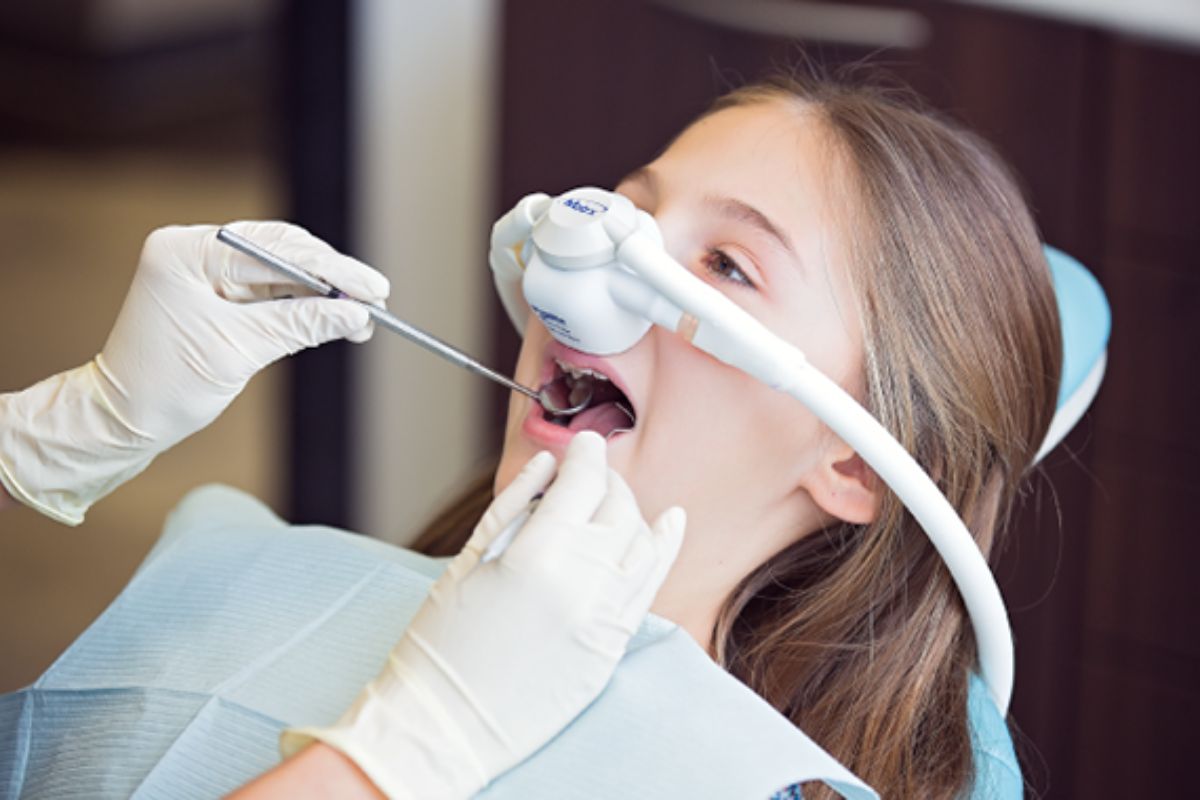
For many individuals, anxiety about dental procedures can feel overwhelming. Sedation dentistry has become a popular solution for managing fear and ensuring a comfortable experience during treatments.
But is it safe?
To ease your concerns, this article provides a clear and professional overview of the safety, types, and benefits of sedation dentistry, along with essential points to consider before your appointment.
Understanding Sedation Dentistry
Sedation dentistry involves using medication to help patients relax during dental procedures. It is often recommended for individuals with dental anxiety, low pain tolerance, sensitive teeth, or those requiring lengthy treatments. The levels of sedation range from mild relaxation to deep sedation, depending on your needs and the procedure.
This approach’s primary goal is to ensure you feel at ease throughout the treatment. However, safety is always the top priority, which is why proper evaluation and planning are crucial before proceeding with any sedation method.
Types Of Sedation Used In Dentistry
To ensure a personalized experience, different forms of sedation are available, which are as follows:
- Minimal Sedation
This involves inhaling nitrous oxide, commonly known as laughing gas, mixed with oxygen. It helps you feel calm while remaining fully awake.
- Oral Sedation
When taken in pill form, oral sedation induces mild to moderate relaxation. Depending on the dosage, you may feel drowsy, but stay conscious.
- IV Sedation
Administered through a vein, this method works quickly and offers a more profound sedative effect. It is often used for patients undergoing extensive procedures.
- General Anesthesia
This method is less common in routine dental care and is reserved for complex or surgical procedures. It ensures that you are completely unconscious.
Each option is chosen based on factors such as your health, anxiety levels, and the nature of the dental procedure.
Is Sedation Dentistry Safe?
The safety of sedation dentistry largely depends on two factors: the expertise of the professional administering it and your overall health. When performed by a qualified dental professional trained in sedation techniques, the risks are minimal. Before recommending a suitable sedation method, the dentist will carefully assess your medical history, current medications, and any potential allergies.
Additionally, modern sedation techniques are highly regulated, and your vital signs are continuously monitored during the procedure to ensure stability.
Extra precautions are taken to mitigate risks for patients with pre-existing health conditions.
What To Expect Before And During Your Appointment
Before your dental appointment, your dental professional will conduct a thorough consultation to discuss your concerns, explain the sedation process, and address any questions you may have.
It is essential to disclose any relevant medical information, such as chronic illnesses or medications, as this can influence the type of sedation recommended.
Depending on the type of sedation, you may be asked to avoid eating or drinking for a specific period on the day of the procedure. During the treatment, you will be closely monitored to ensure your safety and comfort.
Most forms of sedation wear off gradually, though you may need someone to accompany you home if oral or IV sedation is used.
Benefits Of Sedation Dentistry
Sedation dentistry offers several advantages for patients who may otherwise avoid necessary dental care. These include:
- Reduced Anxiety: It creates a relaxed state, helping you overcome fear and discomfort.
- Pain Management: The sedative effect minimizes pain and sensitivity during the procedure.
- Efficiency: Sedation allows your dental professional to perform multiple treatments in one session.
- Improved Patient Experience: It transforms what might feel like a daunting experience into a manageable one.
Key Considerations Before Choosing Sedation
While sedation dentistry is generally safe, there are a few things to consider. Continue reading to know them:
Discuss Your Medical History
Open communication about your health and concerns ensures the safest approach.
Understand The Risks
Although minimal, some sedation methods may have side effects like nausea or drowsiness.
Follow Pre- And Post-Treatment Instructions
These guidelines are essential for ensuring a smooth and safe experience.
Sedation dentistry is a reliable option for easing anxiety and ensuring a more comfortable experience during dental procedures. Its safety hinges on the expertise of your dental professional and proper preparation. Thus, discussing your needs and concerns beforehand lets you feel confident about your care and focus on maintaining your oral health.


