


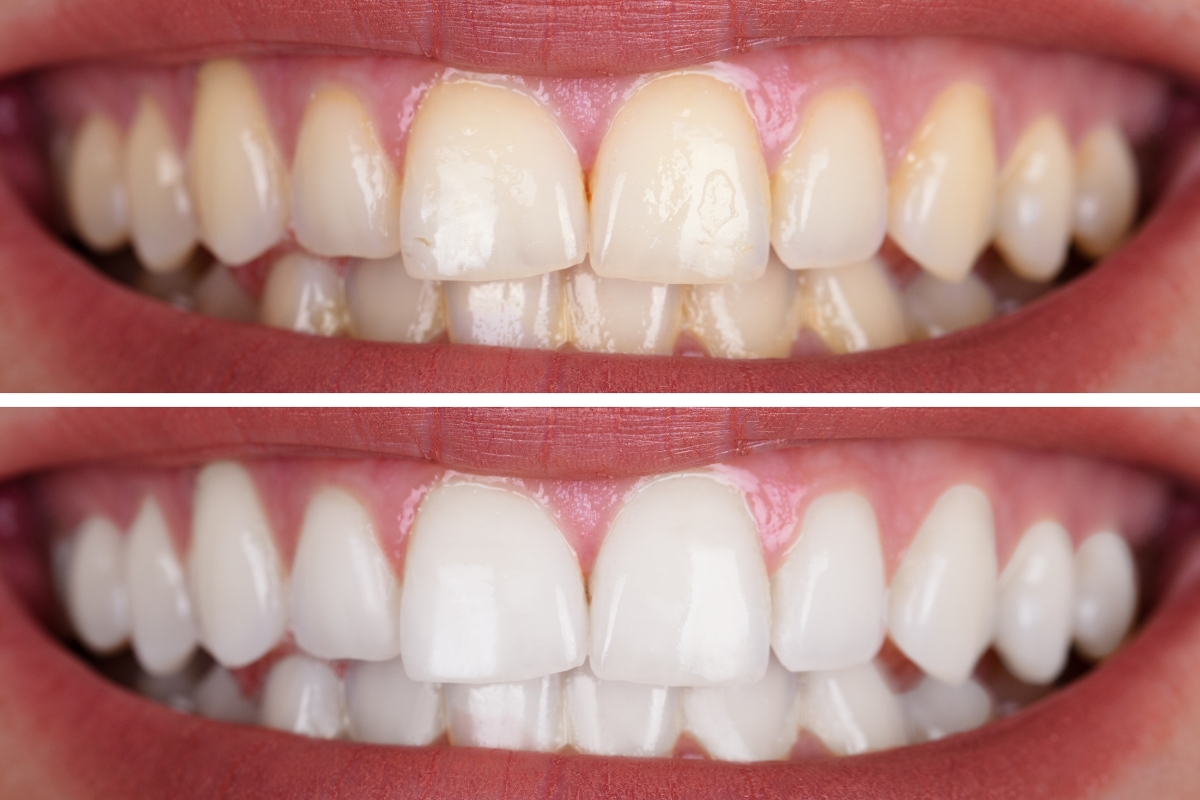
A bright, white smile is one of the most sought-after aesthetic goals in modern dentistry. With so many over-the-counter products, professional treatments, and DIY hacks available, it’s easy to get overwhelmed. One of the most common questions patients ask is, “How often should I whiten my teeth?” The answer depends on several factors, including the method used, lifestyle habits, and individual dental health.
In this guide, we’ll explore how teeth whitening works, the ideal frequency for whitening treatments, and tips to keep your smile radiant between sessions.
Understanding Teeth Whitening: How It Works
Teeth whitening involves removing stains and discoloration from the enamel (outer surface) of your teeth. Most whitening products use hydrogen peroxide or carbamide peroxide to break down stains caused by food, drinks, smoking, and aging.
There are three main types of whitening:
- In-Office Whitening: Performed by a dental professional, this method delivers immediate, dramatic results and is typically the safest and most effective.
- At-Home Professional Kits: Provided by your dentist, these custom-fitted trays offer convenience with better control and safety than drugstore options.
- Over-the-Counter Products: These include strips, gels, and toothpaste that may produce minimal results over time but lack the power and precision of professional methods.
Each method has a different strength, and therefore, a different whitening timeline and frequency.
How Often Should You Whiten?
The frequency of teeth whitening depends on the method used and your personal habits. Here are general guidelines:
1. In-Office Whitening
- Frequency: Every 12–18 months
- Why: Because professional treatments penetrate deeply and yield lasting results, they don’t need to be repeated often. However, if you smoke or drink a lot of coffee or wine, you may need touch-ups sooner.
2. At-Home Whitening (Professional Kits)
- Frequency: Every 6–12 months
- Why: These treatments are more gradual, so regular use (as directed by your dentist) helps maintain a consistently white smile.
3. Over-the-Counter Products
- Frequency: Every 3–6 months (with caution)
- Why: These contain lower concentrations of whitening agents, requiring more frequent use. However, overuse can lead to tooth sensitivity or enamel damage if not used properly.
Important: You should always consult with your dentist before starting or repeating any whitening treatment. Excessive whitening can cause irritation, sensitivity, or damage to the enamel and gums.
Factors That Affect Whitening Frequency
Several lifestyle and oral health factors influence how often you should whiten your teeth:
- Diet: Frequent consumption of coffee, tea, red wine, or dark-colored foods can cause staining.
- Oral Hygiene: Regular brushing, flossing, and professional cleanings help extend whitening results.
- Smoking: Tobacco is a major culprit for yellowing teeth.
- Age: As enamel thins with age, the yellowish dentin underneath becomes more visible.
- Genetics: Some people naturally have thicker enamel or more vibrant tooth color than others.
If you’re considering professional whitening, consulting with an experienced dentist is crucial to achieving safe, long-lasting results. Professional services for teeth whitening in Chandler offer customized treatment plans tailored to your smile’s needs and goals. A dentist can evaluate your enamel thickness, current tooth shade, and sensitivity levels to determine the safest and most effective whitening frequency for you.
At Provinces Dental, patients benefit from cutting-edge whitening technologies, personalized care, and guidance on maintaining their results for the long haul. Whether you want a one-time whitening boost for a special occasion or a long-term smile transformation, a dental professional can help you choose the right approach.
Tips to Maintain Your Whitening Results
To prolong the brightness of your smile between whitening treatments, follow these tips:
- Use a whitening toothpaste once or twice a week to remove surface stains.
- Rinse your mouth with water after consuming staining foods or beverages.
- Avoid tobacco products.
- Stick to regular dental cleanings every six months.
- Use a straw for beverages like coffee or wine to minimize contact with teeth.
Knowing how often to whiten your teeth is key to maintaining a healthy, beautiful smile without risking enamel damage or sensitivity. With the right guidance and maintenance, you can enjoy long-lasting results and renewed confidence in your appearance. For best results, always consult your dentist before beginning or repeating any whitening treatment.
We provide personalized whitening solutions that suit your lifestyle and smile goals. Whether you’re looking for a quick enhancement or a long-term solution, we’re here to help you achieve lasting brilliance.
Book an appointment now and let our expert team guide you to a brighter, healthier smile.


