


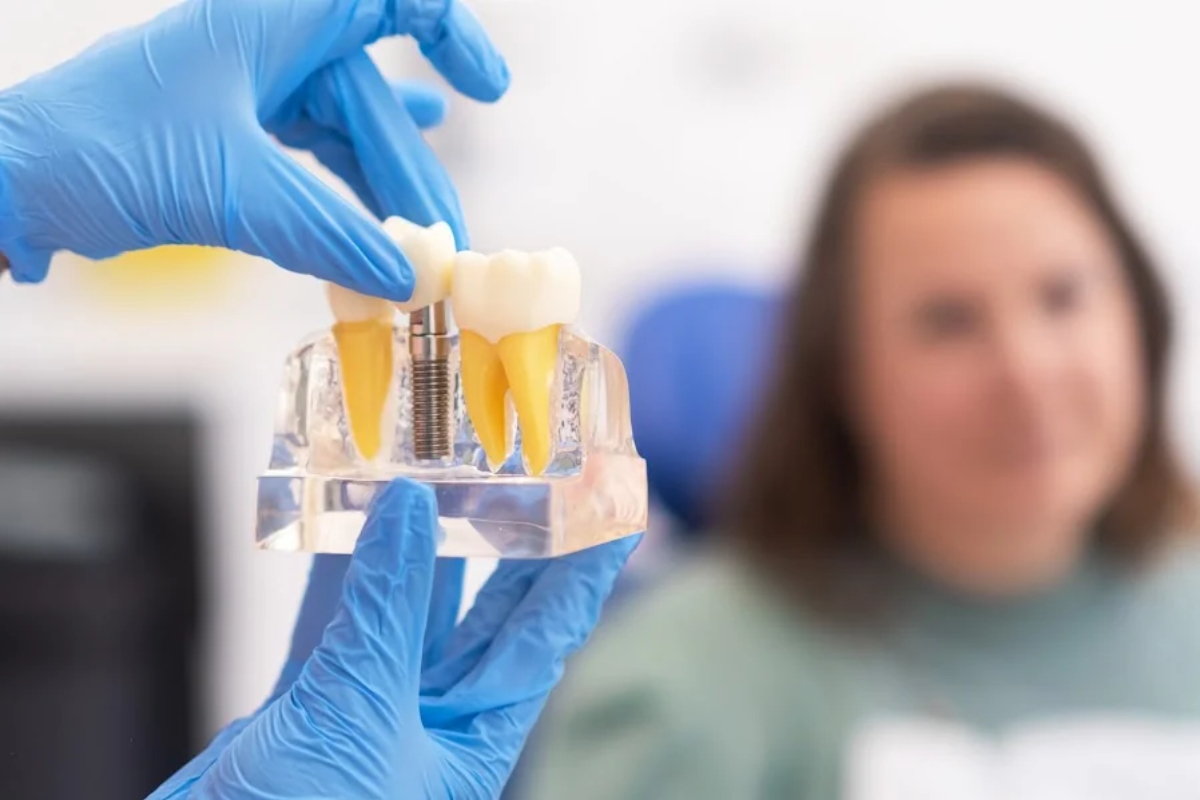
Losing a tooth years ago does not necessarily mean you have missed your chance for dental implants. Many adults live with missing teeth before deciding to explore permanent replacement options.
At Boca Raton Oral Surgery Specialists, patients can discuss implant treatment even after years of tooth loss. Understanding bone health, gum condition, and treatment planning helps determine whether implants remain possible.
What Happens When You Leave a Missing Tooth Untreated?
A missing tooth affects more than the appearance of your smile. Over time, the surrounding teeth and jawbone may undergo changes that complicate future replacement.
Natural tooth roots stimulate the jawbone during chewing. When a tooth disappears, the surrounding bone gradually loses some of that stimulation.
Several changes may develop:
- Jawbone loss: The bone supporting the missing tooth can gradually shrink.
- Tooth movement: Nearby teeth may shift toward the empty space.
- Bite changes: Tooth movement can affect how the upper and lower teeth meet.
- Chewing difficulties: Missing teeth may make certain foods harder to manage.
- Facial changes: Extensive tooth and bone loss can affect facial support.
These changes develop differently for each person. A dental examination can identify existing problems and guide appropriate treatment.
Is It Too Late to Get Dental Implants After Several Years?
There is no universal deadline for receiving dental implants after tooth loss. Some patients qualify for implant placement even after decades without natural teeth.
The most important consideration is whether sufficient healthy bone remains to support the implant. Gum health and overall medical history also influence treatment planning.
Patients exploring dental implants in Boca Raton may require diagnostic imaging before receiving a recommendation. Three-dimensional scans can help assess bone dimensions and nearby anatomical structures.
Factors That Determine Implant Eligibility
Your oral surgeon will consider several important factors before recommending treatment.
- Bone volume: Adequate jawbone is necessary for implant stability.
- Gum health: Active periodontal infection may require treatment first.
- Medical conditions: Certain health concerns can affect surgical healing.
- Smoking habits: Tobacco use increases the risk of implant complications.
- Available space: Neighboring teeth must allow proper implant positioning.
Age alone rarely determines implant eligibility. Your overall health and oral condition matter more than the number of years since tooth loss.
What If You Have Lost Too Much Jawbone?
Long-term tooth loss can leave insufficient bone for conventional implant placement. However, reduced bone volume does not automatically eliminate every treatment option.
Bone grafting may help rebuild areas where the jaw has deteriorated. The procedure uses grafting material to support new bone formation during healing.
How Bone Grafting Supports Dental Implants
An oral surgeon places grafting material in the area requiring additional support. Over several months, the material helps create a foundation for potential implant placement.
Some patients need grafting before implant surgery. Others may receive a smaller graft during the same appointment, depending on their anatomy.
For missing upper back teeth, a sinus lift may sometimes be necessary. This procedure increases available bone beneath the maxillary sinus for implant placement.
Not everyone needs additional surgery. Diagnostic imaging helps determine whether grafting is appropriate.
How Does the Dental Implant Process Work?
Dental implant treatment involves several stages designed to support long-term function. The exact sequence depends on bone health, restoration needs, and individual healing.
Step 1: Consultation and Imaging
Your oral surgeon examines your gums, remaining teeth, and jawbone. Imaging helps identify anatomical limitations and determine implant positioning.
You can also discuss treatment expectations and medical concerns. This information supports informed decisions before surgery.
Step 2: Preparatory Treatment
Some patients require treatment for gum disease or inadequate bone volume. Bone grafting may be recommended before proceeding with implant placement.
The preparation stage varies considerably between patients. Your surgeon will explain whether additional healing time is necessary.
Step 3: Implant Placement
A titanium or other biocompatible implant is surgically positioned within the jawbone. Local anesthesia is commonly used, with additional anesthesia options depending on the case.
The implant gradually integrates with surrounding bone during healing. This process, called osseointegration, helps create stable support for the final restoration.
Step 4: Final Tooth Restoration
Once healing permits, a dental restoration can be attached to the implant. Depending on your needs, this may involve a crown, bridge, or implant-supported denture.
Your restorative dentist and oral surgeon may coordinate treatment. The completed restoration should support comfortable chewing and appropriate bite function.
Why Consider Replacing a Tooth After Many Years?
Replacing a missing tooth can improve several aspects of everyday life. The benefits depend on the location of the missing tooth and existing oral conditions.
Dental implants may help patients:
- Chew a wider variety of foods comfortably.
- Restore a missing tooth without relying on a removable appliance.
- Support the surrounding jawbone through functional loading.
- Improve smile appearance and confidence.
- Reduce dependence on neighboring teeth for certain restorations.
Implants still require regular professional maintenance and home care. Brushing, flossing, and dental checkups remain essential for protecting surrounding tissues.
How Long Does Treatment Take for Older Missing Teeth?
Treatment length depends on whether additional procedures are necessary. Patients with sufficient healthy bone may proceed directly to implant placement after planning.
Implant integration commonly requires several months. Bone grafting can extend the overall timeline when additional healing is necessary.
Some patients may qualify for temporary restorations during treatment. However, immediate tooth placement is not appropriate for every situation.
Patients in Boca Raton and nearby communities should discuss realistic timelines during their consultation. A clear treatment plan helps coordinate appointments and recovery.
Frequently Asked Questions
1. Can I get dental implants after 10 years without a tooth?
Yes, dental implants may remain possible after 10 years or longer. Your oral surgeon must first evaluate bone volume and oral health.
Some patients need bone grafting before implant placement. Others have sufficient existing bone to proceed without additional reconstruction.
2. Are dental implants painful?
Local anesthesia helps control discomfort during implant surgery. Patients may experience temporary swelling, soreness, or bruising afterward.
Discomfort usually improves during the initial healing period. Your surgical team will provide appropriate recovery instructions.
3. Can older adults receive dental implants in Boca Raton?
Many older adults can receive implants when their health and oral conditions permit. Chronological age alone does not automatically disqualify someone.
A thorough medical review helps identify potential surgical risks. Your oral surgeon will discuss appropriate treatment options.
4. How long do dental implants last?
Dental implants can function for many years with proper care. Their longevity depends on oral hygiene, bone health, medical factors, and maintenance.
Implant-supported crowns may eventually require repair or replacement. Regular dental examinations help identify problems early.
Rediscover Your Smile With a Dental Implant Consultation
Years of living with a missing tooth do not automatically prevent successful replacement. Modern implant planning can identify possibilities even when some jawbone loss has occurred.
At Boca Raton Oral Surgery Specialists, patients can explore dental implants in Boca Raton through a comprehensive surgical evaluation. Request an appointment to discuss your tooth replacement options and take the next step toward restoring your smile.


