


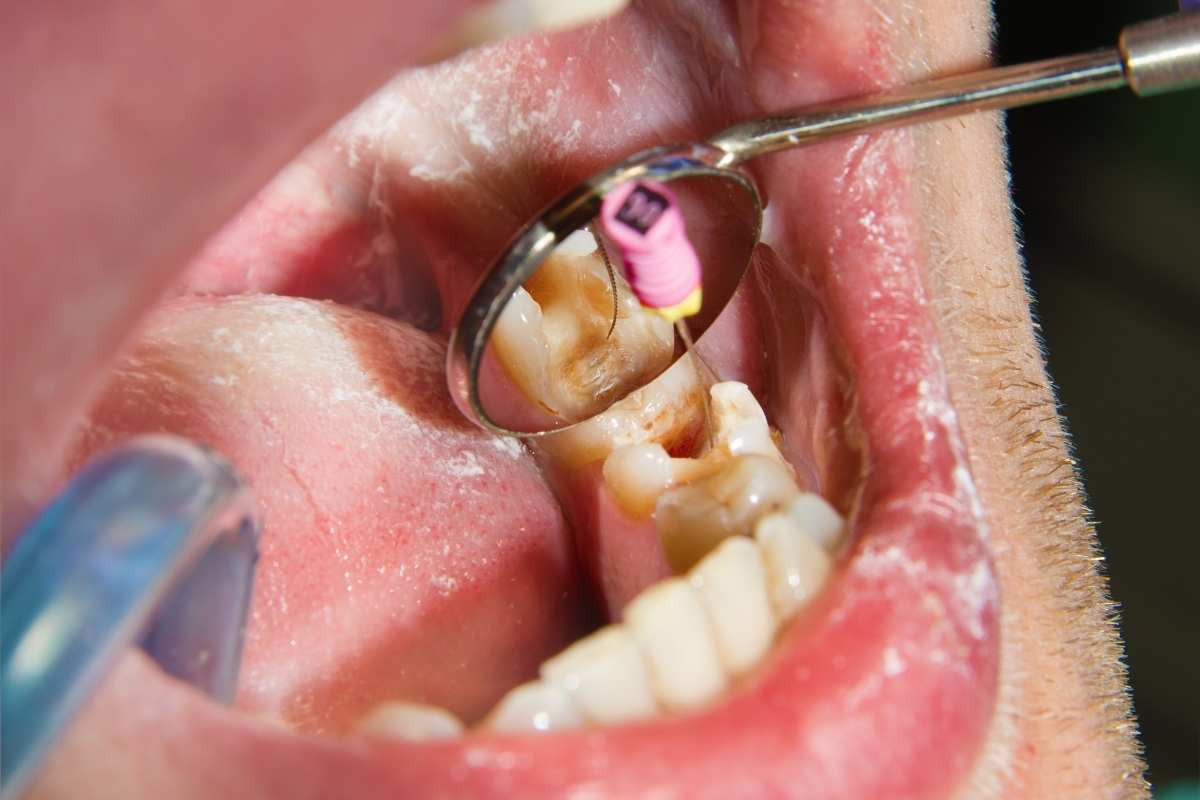
If you’ve been told you may need a root canal, you’re not alone. Each year, millions of Americans undergo root canal treatment to save a damaged or infected tooth. While the term may sound intimidating, modern dentistry has made root canal therapy a comfortable, highly effective procedure that relieves pain and restores your natural smile.
At Provinces Dental, Dr. David C. Poelman provides gentle, advanced root canal treatment designed to eliminate infection, preserve your tooth, and help you recover quickly. If you’re searching for a trusted dentist in Chandler for tooth pain relief, this guide will explain everything you need to know about the procedure, aftercare, and recovery.
What Is a Root Canal?
A root canal is a restorative dental procedure used to treat infection inside the tooth. The soft inner tissue, called the pulp, can become inflamed or infected due to:
- Deep tooth decay
- Cracked or chipped teeth
- Repeated dental procedures
- Dental trauma
- Untreated cavities
When bacteria reach the pulp, it can cause severe tooth pain, swelling, abscess formation, and even bone loss if left untreated. Root canal therapy removes the infected pulp, disinfects the inner tooth structure, and seals it to prevent further infection.
Signs You May Need a Root Canal
You may require root canal treatment if you experience:
- Persistent toothache
- Sensitivity to hot or cold that lingers
- Swollen or tender gums
- Darkening of the tooth
- Pain when chewing
- A pimple-like bump on the gums (possible abscess)
If you’re experiencing severe tooth pain in Chandler, it’s important to schedule an evaluation right away. Early treatment can prevent complications and help save your natural tooth.
Step-by-Step: The Root Canal Procedure
Understanding the process can help ease anxiety. At Provinces Dental, Dr. Poelman uses modern dental technology and precise techniques to ensure your comfort throughout the procedure.
1. Comprehensive Exam & Digital X-Rays
Your visit begins with a thorough dental exam and digital imaging to assess the extent of infection and confirm the diagnosis.
2. Local Anesthesia
The treatment area is completely numbed. Most patients report that a root canal feels similar to getting a dental filling.
3. Removing the Infected Pulp
A small opening is made in the tooth to remove the infected or damaged pulp tissue.
4. Cleaning & Disinfecting
The root canals are carefully cleaned, shaped, and disinfected to eliminate bacteria.
5. Filling & Sealing
The canals are filled with a biocompatible material called gutta-percha and sealed to prevent reinfection.
6. Dental Crown Placement
In most cases, a dental crown is placed over the treated tooth to restore strength, function, and appearance.
Root canal therapy typically takes one to two visits, depending on the severity of infection.
Does a Root Canal Hurt?
One of the most common myths is that root canals are painful. In reality, the procedure relieves pain caused by infection. Thanks to modern anesthesia and advanced techniques, most patients experience minimal discomfort.
After treatment, mild soreness or tenderness is normal for a few days and can usually be managed with over-the-counter pain medication.
If you’re nervous about dental treatment, talk to Dr. Poelman about comfort-focused options available at Provinces Dental.
Root Canal Aftercare: What to Expect
Proper aftercare is essential for a smooth recovery and long-term success.
Immediately After Treatment
- Avoid chewing on the treated tooth until fully restored
- Eat soft foods for the first 24–48 hours
- Avoid extremely hot or cold foods
- Take prescribed or recommended medications as directed
Oral Hygiene After a Root Canal
Maintaining excellent oral hygiene helps protect your restored tooth:
- Brush twice daily with fluoride toothpaste
- Floss gently around the treated area
- Use an antibacterial mouthwash if recommended
Avoid biting down on hard foods (ice, nuts, hard candy) that could damage the temporary or permanent crown.
Root Canal Recovery Timeline
Most patients return to normal activities the next day. Here’s what a typical recovery looks like:
Day 1–3: Mild tenderness when biting
Week 1: Symptoms continue improving
After Crown Placement: Full function restored
If you experience severe pain, swelling, or signs of infection after treatment, contact Provinces Dental immediately for evaluation.
Benefits of Saving Your Natural Tooth
Choosing root canal therapy over tooth extraction offers several advantages:
- Maintains natural bite alignment
- Prevents neighboring teeth from shifting
- Preserves jawbone health
- Restores chewing function
- Cost-effective compared to tooth replacement
Saving your natural tooth helps avoid more complex procedures like dental implants or bridges later on.
Why Choose Dr. David C. Poelman at Provinces Dental?
When it comes to root canal treatment in Chandler, experience and precision matter. Dr. David C. Poelman is committed to delivering compassionate, patient-centered care using modern dental technology and proven endodontic techniques.
Patients in Chandler trust Provinces Dental for:
- Gentle root canal therapy
- Emergency dental services
- Advanced digital imaging
- Personalized treatment plans
- Comprehensive restorative dentistry
If you’ve been searching for a “dentist near me” who provides expert root canal care, our team is here to help.
Preventing Future Root Canals
While root canal therapy is highly effective, prevention is always best. Protect your smile by:
- Scheduling routine dental checkups
- Getting professional cleanings every six months
- Treating cavities early
- Wearing a mouthguard if you grind your teeth
- Addressing cracked teeth promptly
Preventive dentistry plays a vital role in avoiding serious infections.
Don’t Ignore Tooth Pain
Tooth pain is your body’s way of signaling a problem. Delaying treatment can lead to worsening infection, abscess formation, and potential tooth loss.
Early intervention not only saves your tooth but also protects your overall oral health.
If you’re experiencing symptoms or have been advised that you need a root canal, don’t wait. Book your appointment today at 1070 E Ray Rd #7, Chandler, AZ 85225.
FAQs
1. How long does a root canal take?
Most root canal treatments take 60–90 minutes per visit. Complex cases may require two visits.
2. Is a dental crown always necessary after a root canal?
In most cases, yes. A crown protects the treated tooth from fracture and restores strength and function.
3. Can a root canal fail?
While highly successful (over 90% success rate), retreatment may be necessary if reinfection occurs. Regular dental checkups help monitor the treated tooth.


