


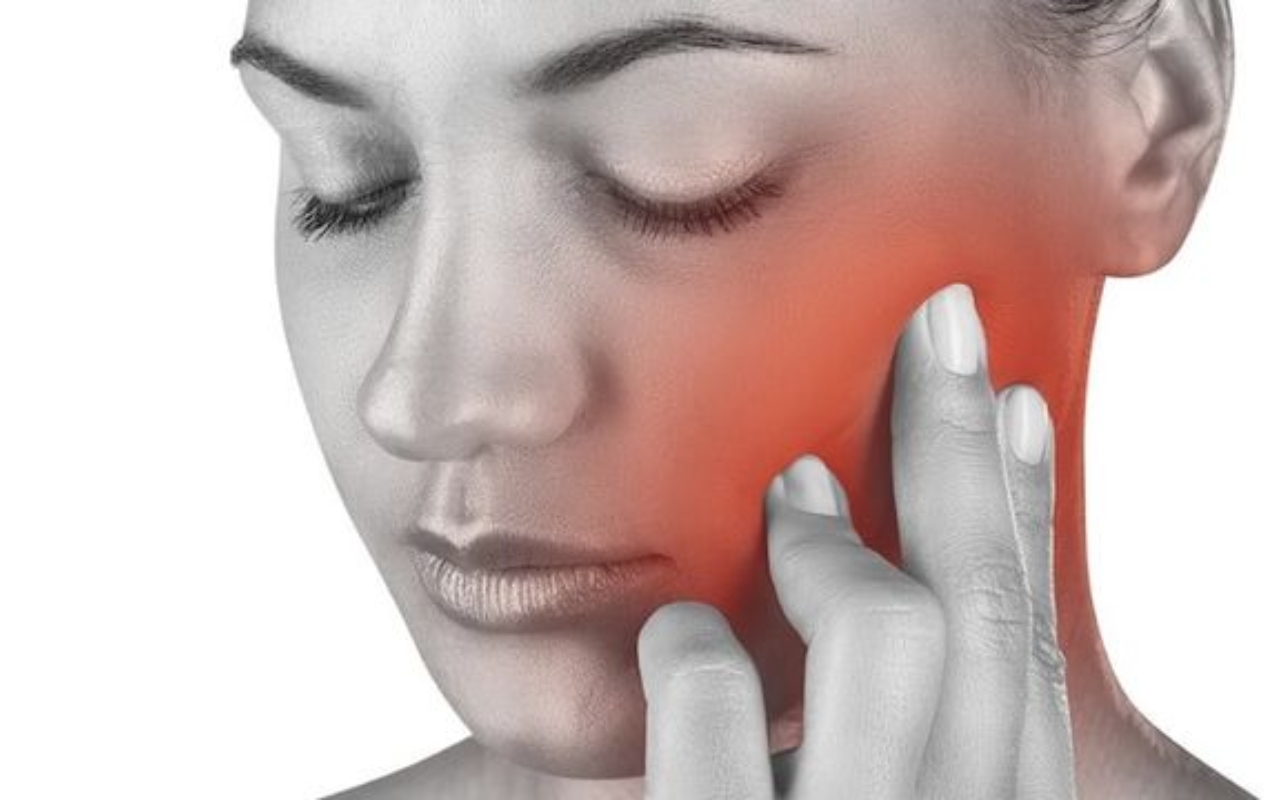
Temporomandibular joint (TMJ) disorders can cause discomfort, pain, and limited jaw movement, affecting daily activities such as eating, speaking, and even sleeping. Understanding the difference between at-home remedies and professional treatment is crucial for managing TMJ pain effectively and preventing further complications.
Understanding TMJ Disorders
The temporomandibular joint connects your jawbone to your skull, allowing you to open and close your mouth smoothly. TMJ disorders can result from:
- Teeth grinding or clenching (bruxism)
- Jaw injuries or trauma
- Arthritis in the jaw joint
- Stress, leading to muscle tension
Common symptoms include jaw pain, headaches, earaches, clicking or popping sounds in the jaw, and difficulty opening the mouth fully.
At-Home Remedies for TMJ Pain Relief
For mild or occasional TMJ discomfort, several at-home strategies can provide relief:
1. Apply Ice or Heat
- Ice packs reduce inflammation and numb pain.
- Warm compresses relax tight muscles and improve blood flow.
2. Gentle Jaw Exercises
- Slowly open and close your mouth or move your jaw side-to-side.
- Avoid overextending or forcing movement.
3. Stress Management
- Stress often contributes to teeth clenching. Techniques like yoga, meditation, or deep breathing can help reduce tension in the jaw muscles.
4. Soft Diet
- Avoid hard, chewy, or crunchy foods that strain your jaw.
- Opt for soft foods like yogurt, smoothies, and soups.
5. Over-the-Counter Medications
- Nonsteroidal anti-inflammatory drugs (NSAIDs) like ibuprofen can help reduce pain and inflammation temporarily.
While these remedies can provide short-term relief, they do not address underlying structural issues, which is why some cases may require professional intervention.
Professional Treatment Options
If TMJ pain persists for more than a few weeks, worsens, or interferes with your daily life, it’s time to consult a professional. A local dentist in Chandler can evaluate your condition and recommend appropriate treatments, which may include:
1. Custom Dental Appliances
- Nightguards or splints can prevent teeth grinding and relieve pressure on the jaw.
2. Physical Therapy
- Targeted exercises and massage techniques help strengthen jaw muscles and improve mobility.
3. Medications
- Prescription muscle relaxants, anti-inflammatories, or even corticosteroid injections can be administered in severe cases.
4. Advanced Procedures
- In rare instances, surgical interventions may be necessary to correct jaw misalignment or repair joint damage.
Professional treatment is tailored to the individual, ensuring long-term relief and preventing further complications.
Key Differences Between At-Home Remedies and Professional Care
| Aspect | At-Home Remedies | Professional Treatment |
|---|---|---|
| Purpose | Temporary pain relief | Long-term management and correction |
| Effectiveness | Mild to moderate discomfort | Moderate to severe cases |
| Expertise | Self-administered | Dental or medical professional |
| Cost | Low | Variable, depending on treatment |
Understanding these differences helps patients make informed decisions about when to rely on at-home methods and when to seek professional help.
FAQs About TMJ Pain Relief
Q1: Can TMJ pain go away on its own?
A1: Mild cases caused by temporary stress or minor jaw strain may improve with rest and self-care. However, persistent pain often requires professional evaluation.
Q2: Are home remedies safe for everyone?
A2: Generally, yes. Ice packs, warm compresses, and soft foods are safe for most people. However, individuals with severe pain, swelling, or jaw locking should consult a dentist.
Q3: How long does it take for professional treatment to relieve TMJ pain?
A3: Relief varies depending on the cause and treatment type. Many patients notice improvement within a few weeks of using dental appliances or physical therapy, while more complex cases may take longer.
When to Seek Help
If TMJ pain persists despite at-home care, worsens, or is accompanied by severe headaches, ear pain, or difficulty opening the mouth, professional evaluation is essential. Early intervention can prevent further joint damage and improve quality of life.
Conclusion
While at-home remedies like ice packs, gentle exercises, and stress management can help manage mild TMJ pain, professional treatment offers a tailored approach for long-term relief. If you are struggling with TMJ discomfort, it’s best to consult a specialist to determine the underlying cause and appropriate treatment.
To get personalized care and professional TMJ pain relief, book an appointment at 1070 E Ray Rd #7, Chandler, AZ 85225. Your jaw health matters, and the right care can make all the difference.


