


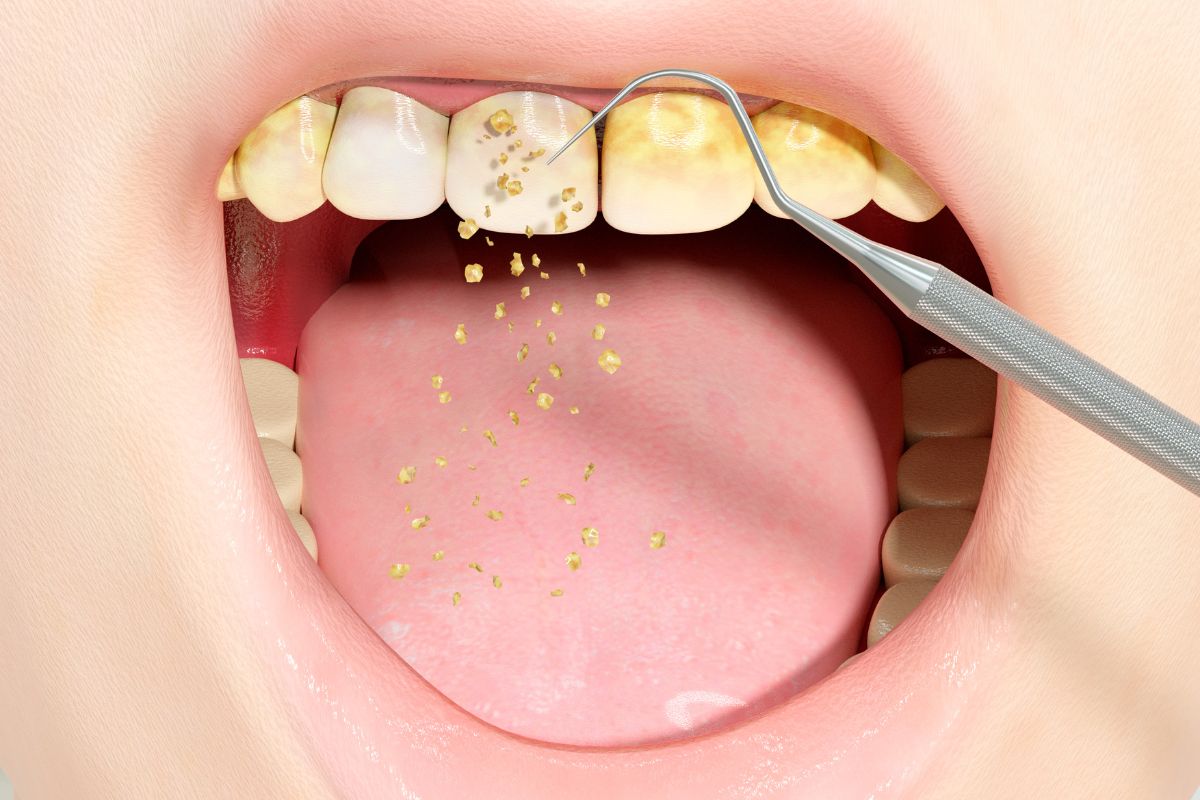
A healthy smile is not just about aesthetics—it reflects your overall oral health. One of the biggest threats to your teeth and gums is the buildup of plaque and tartar. Understanding how these substances develop, their impact on your oral health, and how to prevent them is key to maintaining a bright and healthy smile.
What is Plaque?
Dental plaque is a sticky, colorless, or pale yellow film that constantly forms on your teeth. It consists of bacteria, food particles, and saliva. Plaque starts developing shortly after eating and drinking, especially when consuming sugary or starchy foods.
How Does Plaque Form?
- Consumption of Sugary and Starchy Foods – Bacteria in the mouth feed on sugars and starches, producing acids that can weaken tooth enamel.
- Bacteria Growth – Plaque bacteria multiply and stick to the teeth, forming a film.
- Formation of Biofilm – The bacteria create a protective layer, making it harder to remove with saliva alone.
If not removed through proper oral hygiene, plaque can harden into tartar, leading to more severe oral health issues.
What is Tartar?
Tartar, also called calculus, is hardened plaque that forms when plaque is left untreated. Unlike plaque, tartar is rough, porous, and yellow or brown. It binds strongly to the teeth and can only be removed by a dental professional.
How Does Tartar Form?
When plaque remains on the teeth for extended periods, the minerals in saliva cause it to calcify and harden. This typically happens along the gumline and between teeth, creating an environment where more bacteria thrive.
The Impact of Plaque and Tartar on Oral Health
If not managed properly, plaque and tartar can lead to serious dental problems, including:
1. Tooth Decay (Cavities)
The acids produced by plaque bacteria weaken tooth enamel, leading to cavities. If left untreated, cavities can cause pain, infections, and even tooth loss.
2. Gum Disease (Gingivitis and Periodontitis)
- Gingivitis: The early stage of gum disease caused by plaque buildup, leading to redness, swelling, and bleeding gums.
- Periodontitis: An advanced stage of gum disease where tartar buildup causes gum recession, bone loss, and potentially tooth loss.
3. Bad Breath (Halitosis)
Plaque and tartar harbor bacteria that produce foul-smelling gases, contributing to persistent bad breath.
4. Tooth Sensitivity
Tartar buildup along the gumline can cause gum recession, exposing the sensitive roots of the teeth to hot, cold, and acidic foods.
How to Prevent Plaque and Tartar Buildup
Preventing plaque and tartar buildup is essential for maintaining good oral health. Here are some effective strategies:
1. Brush Twice a Day
- Use a fluoride toothpaste and a soft-bristled toothbrush.
- Brush for at least two minutes to remove plaque effectively.
- Pay attention to the gumline, back teeth, and hard-to-reach areas.
2. Floss Daily
Flossing helps remove plaque from between the teeth and under the gumline, where toothbrushes cannot reach.
3. Use an Antibacterial Mouthwash
Mouthwash can help kill bacteria and reduce plaque buildup, especially in areas missed by brushing and flossing.
4. Limit Sugary and Starchy Foods
Reduce consumption of candies, sodas, bread, and pasta, which contribute to plaque formation. Opt for healthier alternatives like fresh fruits, vegetables, and dairy products.
5. Drink Plenty of Water
Water helps wash away food particles and neutralize acids that contribute to plaque buildup.
6. Chew Sugar-Free Gum
Chewing gum increases saliva production, which helps wash away bacteria and food particles.
7. Visit Your Dentist Regularly
- Schedule a professional dental cleaning every six months to remove plaque and tartar.
- Regular dental check-ups help catch early signs of cavities or gum disease.
How Dentists Remove Tartar
Since tartar cannot be removed by brushing alone, dental professionals use scaling and root planing to remove it effectively:
- Scaling: The dentist or hygienist uses special tools to scrape off tartar from the teeth and gumline.
- Root Planing: If tartar is present below the gumline, root planing smooths out the roots to prevent bacteria from accumulating.
Plaque and tartar are persistent threats to oral health, but with proper oral hygiene and regular dental visits, you can keep your teeth clean and healthy. Preventing their buildup not only protects against cavities and gum disease but also ensures a brighter, healthier smile. By making dental care a priority, you can maintain excellent oral health for years to come.


