


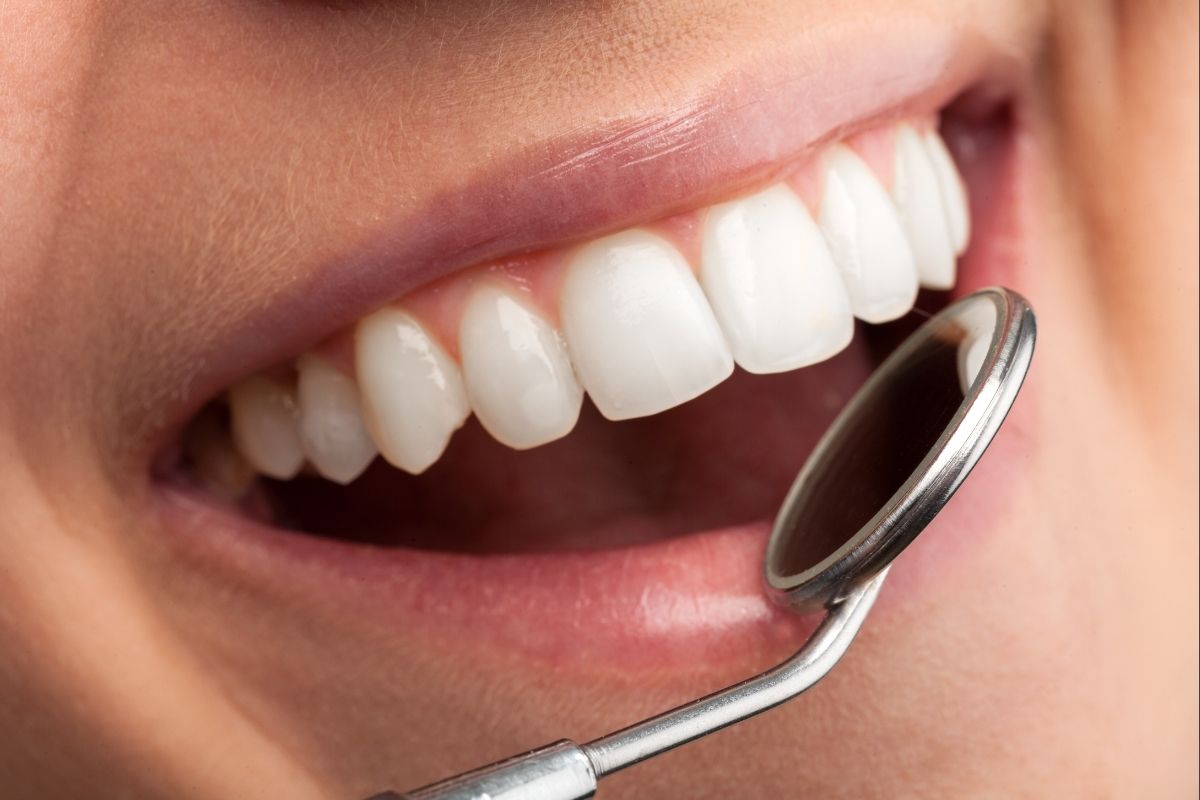
Cosmetic bonding is a popular, affordable, and minimally invasive dental procedure that can dramatically improve your smile. Whether you’ve had bonding to fix a chipped tooth, close gaps, or enhance the appearance of discolored teeth, the next step is just as important: taking proper care of your newly bonded teeth.
While dental bonding is durable and long-lasting, it requires proper maintenance to preserve its look and function over time. In this guide, we’ll walk you through everything you need to know about caring for your teeth after cosmetic bonding treatment, so your smile stays bright and beautiful for years to come.
What Is Cosmetic Bonding?
Cosmetic bonding involves applying a tooth-colored composite resin to the surface of your teeth to improve their appearance. It’s commonly used to:
- Repair minor chips and cracks
- Close small gaps between teeth
- Reshape or lengthen uneven teeth
- Cover discoloration or stains
- Make teeth look straighter without orthodontics
The procedure is quick—usually completed in one visit—and typically requires little to no enamel removal, making it an ideal option for many patients seeking a smile upgrade.
Why Aftercare Matters
Even though cosmetic bonding is relatively low-maintenance compared to other procedures like veneers or crowns, it’s not invincible. The composite resin material used in bonding is not as strong as natural enamel and can stain, chip, or wear down over time if not properly cared for.
Proper aftercare will help:
- Extend the life of your bonded teeth
- Prevent discoloration and wear
- Avoid costly repairs or re-bonding
- Keep your overall oral health in top condition
Daily Oral Care Routine for Bonded Teeth
Maintaining a healthy daily oral hygiene routine is essential for preserving both the bonded area and your natural teeth. Here’s what dentists recommend:
1. Brush Twice Daily with a Soft Toothbrush
Use a non-abrasive, fluoride toothpaste and a soft-bristled toothbrush to avoid scratching or dulling the bonding material. Be gentle yet thorough, especially around the bonded areas.
2. Floss at Least Once a Day
Flossing helps prevent plaque buildup around the bonded tooth and along the gumline. Take your time and use a gentle sawing motion to avoid damaging the bonded edges.
3. Rinse with a Non-Alcoholic Mouthwash
Choose a mouthwash that’s alcohol-free to prevent drying of the mouth and potential damage to the composite material. Antibacterial rinses can also help prevent gum disease.
Foods and Habits to Avoid
Although bonding is strong enough to handle normal chewing, it’s still more susceptible to damage than natural enamel. To protect your bonded teeth, try to avoid the following:
– Hard Foods
Ice, hard candies, nuts, and even biting down on tough bread crusts can cause chips or cracks in the bonding.
– Sticky and Chewy Foods
Gum, caramel, and other sticky substances can tug at the bonded area and increase wear over time.
– Dark-Colored Beverages
Coffee, tea, red wine, and soda can stain the composite resin faster than natural enamel. If you do indulge, drink through a straw and rinse your mouth with water afterward.
– Smoking and Tobacco Products
Nicotine stains bonding materials quickly and can significantly reduce the cosmetic appeal of your smile.
Be Mindful of Bad Habits
Certain habits can reduce the lifespan of your cosmetic bonding. You should avoid:
- Biting your nails
- Chewing on pens or pencils
- Using your teeth as tools (e.g., to open packages)
- Clenching or grinding your teeth (bruxism)
If you grind your teeth at night, talk to your dentist about getting a custom mouthguard to protect your smile.
The Importance of Regular Dental Visits
Professional cleanings and dental checkups every six months are key to keeping your bonded teeth in good condition. Your dentist will monitor the bonded areas for any signs of damage, discoloration, or wear and recommend touch-ups if needed.
In some cases, bonding may last 3–10 years or longer, depending on how well you maintain it. Regular visits give your dentist the chance to polish and preserve the composite, keeping it looking natural and smooth.
Professional Touch-Ups and Re-Bonding
Over time, bonding may lose its shine or develop minor stains. Your dentist can buff and polish the surface during a routine visit to refresh its appearance. If the bonding becomes chipped or worn down, it can usually be repaired or replaced without removing the entire restoration.
Cosmetic bonding is a flexible solution, and ongoing dental care ensures it continues to blend seamlessly with your natural teeth.
Cosmetic Bonding and Whitening: A Quick Note
If you’re considering whitening your teeth, it’s best to do so before getting cosmetic bonding, since the resin does not respond to whitening agents. If you whiten your teeth afterward, your natural enamel may become brighter than the bonded area, leading to color mismatch.
Patients looking for cosmetic bonding in Chandler often discuss whitening options with their dentist beforehand to ensure a consistent, beautiful result across all treated and untreated teeth.
Signs Your Bonding Needs Attention
Be sure to watch for the following signs that your cosmetic bonding may need repair or replacement:
- Rough edges or sharp spots
- Visible chips or cracks
- Discoloration or yellowing
- Uneven surfaces or changes in your bite
- Increased sensitivity in the treated tooth
The sooner you address these issues, the easier they are to fix—and the better your smile will look and feel.
Long-Lasting Smiles Start with Good Habits
Cosmetic bonding is a fantastic option for those seeking a quick and affordable smile transformation. With the right care and attention, your bonded teeth can stay strong, stain-free, and beautiful for many years.
From mindful eating habits and a solid oral hygiene routine to regular dental visits and protective measures like nightguards, your actions directly impact the lifespan and appearance of your cosmetic bonding treatment.
Book an appointment now to speak with an experienced cosmetic dentist and ensure your bonding results are long-lasting and picture-perfect.


