


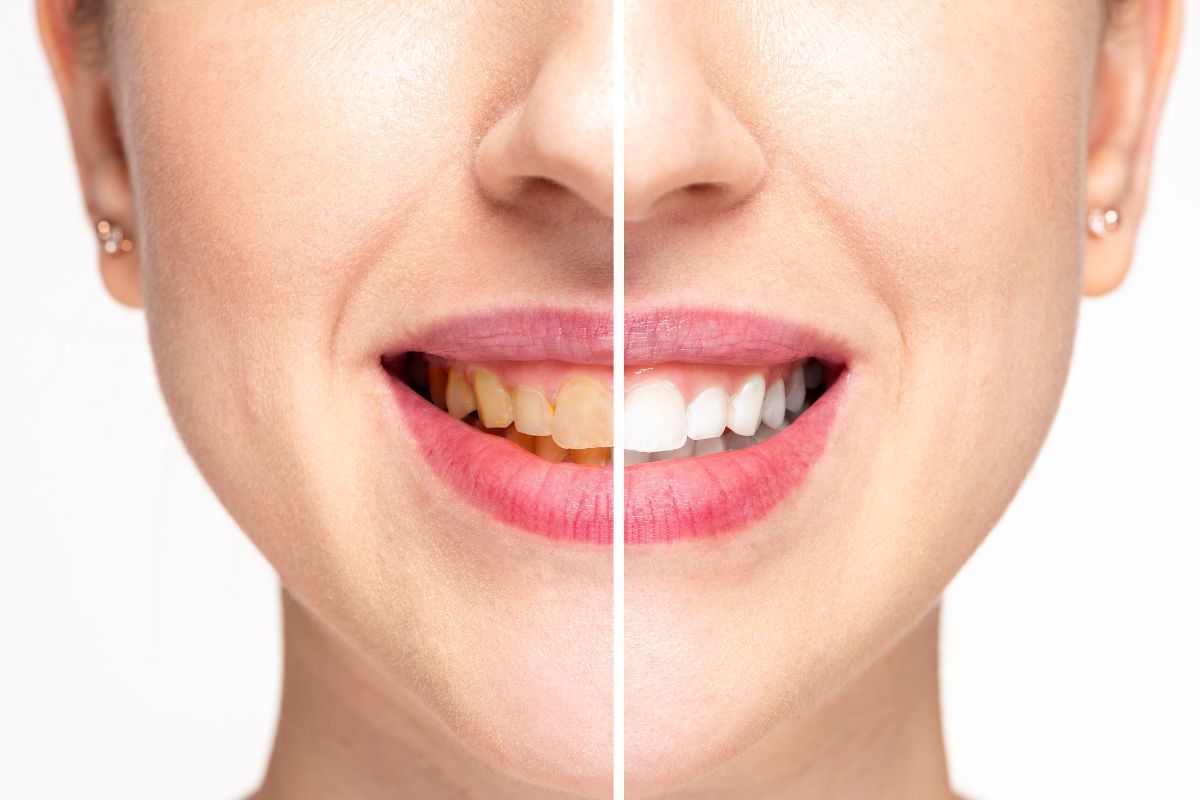
One of the quickest and most reliable ways to improve your smile is through teeth whitening. However, many people experience tooth sensitivity after treatment. It’s essential to understand why this happens and what steps you can take to minimize discomfort. This blog will guide you through post-whitening care and tips to avoid sensitivity.
The Purpose of Teeth Whitening
Bleaching chemicals such as carbamide peroxide or hydrogen peroxide are used in teeth whitening procedures. These agents remove stains caused by food, drinks, and aging. Whether done at the dental office or with at-home products, teeth whitening in Chandler is generally safe. However, bleaching treatment can temporarily make your teeth more sensitive, especially if the enamel is thin or already damaged.
What Causes Tooth Sensitivity After Whitening?
Tooth sensitivity after a whitening treatment occurs because the bleaching agents penetrate the enamel. This process exposes the dentin layer, which contains tiny tubules connected to your tooth’s nerve endings. When these tubules are exposed, sensations from hot, cold, or sweet foods can easily reach the nerves, leading to discomfort. The stronger the whitening gel, the more likely you are to experience this sensitivity.
People with pre-existing sensitivity, enamel erosion, or gum recession are more likely to feel discomfort after a teeth whitening procedure. It’s a temporary side effect, but it can still be uncomfortable if not managed properly.
Post-Whitening Care Tips to Get Rid of Teeth Sensitivity
Following a few simple post-whitening precautions can help reduce tooth sensitivity and make the process more comfortable:
1. Use Desensitizing Toothpaste
Desensitizing toothpaste is specifically designed to block the nerve pathways in your teeth. It works by filling in the exposed dentin tubules, preventing sensations from reaching the nerves. Using this toothpaste for a week or two before and after your whitening treatment can reduce sensitivity. Look for toothpaste with ingredients like potassium nitrate, which helps calm the nerves in your teeth.
2. Avoid Hot or Cold Foods and Drinks
After whitening, your teeth are more sensitive to temperature extremes. Avoid hot drinks like coffee or tea and cold foods like ice cream for the first 24 to 48 hours after treatment. Room-temperature water and soft, bland foods are ideal during this time. This will help reduce the chances of triggering sensitivity.
3. Limit Acidic and Sugary Foods
Acidic foods, such as citrus fruits and soda, can erode your enamel further, increasing sensitivity. Sugary foods can also irritate your teeth and promote decay. After whitening, your enamel is more vulnerable, so it’s best to avoid these foods for a few days. Opt for calcium-rich foods, such as yogurt and cheese, to strengthen your teeth.
4. Switch to a Soft-Bristled Toothbrush
Using a hard-bristled toothbrush can aggravate your teeth and gums, especially after whitening. If you have sensitive teeth, use a toothbrush with soft bristles. Be sure to brush lightly to avoid irritating your gums and damaging the enamel. It’s also a good idea to wait at least 30 minutes after whitening before brushing to allow your teeth to rest.
5. Take Breaks Between Whitening Sessions
If you’re using at-home whitening kits, it’s important not to overdo it. Brightening up your teeth too often can cause excessive sensitivity and enamel damage. Take breaks in between sessions and attentively adhere to the directions. If your Chandler dentist has recommended a specific whitening schedule, stick to it to avoid unnecessary discomfort.
6. Apply Fluoride Treatments
Fluoride is known for its enamel-strengthening properties. Using fluoride mouthwashes or treatments prescribed by your dentist can help reduce sensitivity and rebuild weakened enamel. Some whitening kits also come with fluoride treatments to apply after bleaching to reduce discomfort. Fluoride helps seal exposed dentin tubules, protecting your teeth from external triggers.
Shall I Consult a Dentist if Sensitivity Persists?
If sensitivity doesn’t subside after a few days despite taking teeth whitening precautions, it’s time to consult your dentist. Consistent sensitivity may indicate enamel erosion, cavities, or gum recession, which needs to be addressed.
Your dentist can customize whitening treatments to suit your individual needs. In-office whitening procedures tend to be more controlled; the strength of the bleaching agent is based on your level of sensitivity. If over-the-counter products are causing too much discomfort, seeking professional help is the best solution.
Teeth whitening can enhance your smile, but it can also lead to temporary sensitivity. Understanding what causes this sensitivity and following post-whitening care tips can help you avoid discomfort. With the teeth whitening aftercare tips shared above, you can minimize sensitivity and enjoy a brighter smile.
To explore teeth whitening treatment or learn why sensitivity persists, contact Provinces Dental.


