


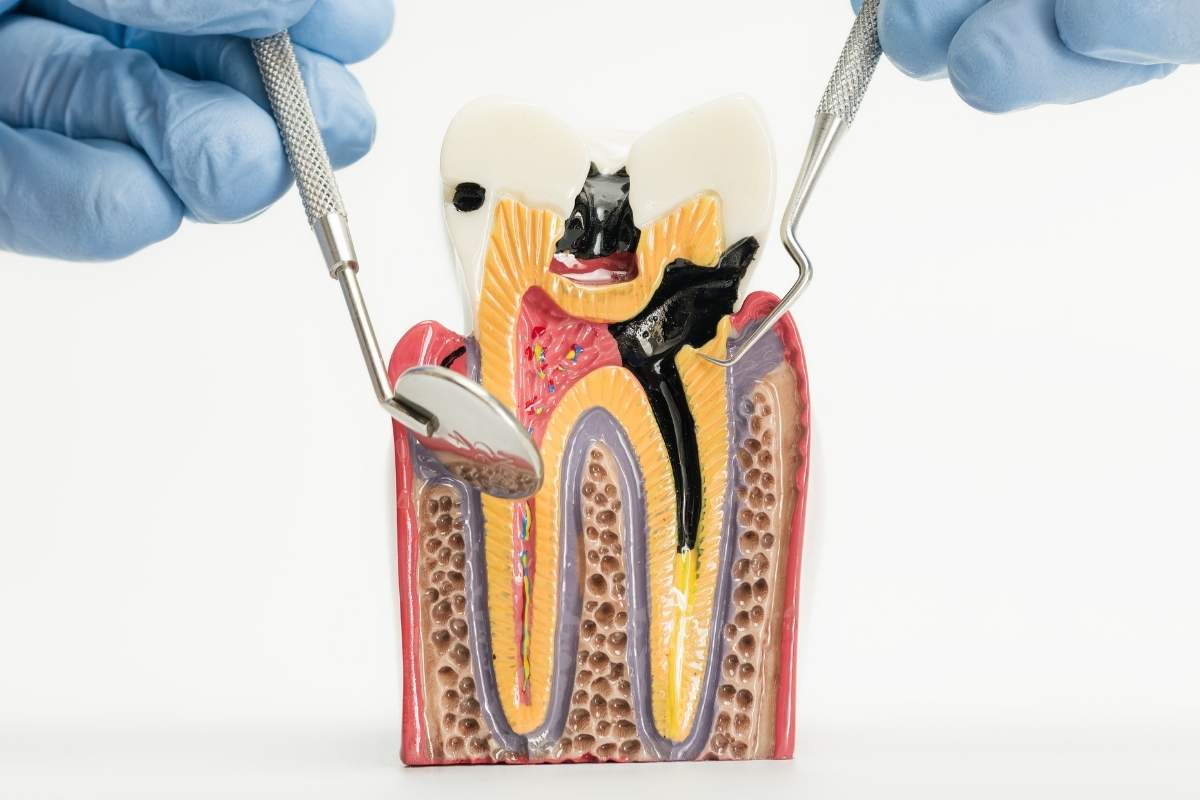
When it comes to maintaining a healthy smile, most people focus on brushing, flossing, and keeping their teeth white. However, there’s an essential part of every tooth that often gets overlooked—the dental pulp. Understanding what it is, how it functions, and what can go wrong with it can help you take better care of your teeth and prevent serious oral health issues.
What Is Dental Pulp?
Let’s start with the dental pulp definition. Dental pulp is the soft, living tissue located inside the center of your tooth. It contains nerves, blood vessels, and connective tissues that keep your tooth alive and healthy. The pulp extends from the crown of the tooth (the visible part) down through the root canals into the jawbone.
If you’ve ever wondered what does tooth pulp look like, it’s a soft, reddish tissue that’s surrounded by the hard dentin and enamel layers of your teeth. Because it’s rich in nerves and blood supply, the pulp is extremely sensitive—making it a key factor in how your teeth respond to temperature, pressure, and pain.
The Function of Pulp in Teeth
The function of pulp in teeth is crucial to your overall oral health. Here are its main roles:
- Sensory Function: The pulp detects changes in temperature and pressure, acting as a warning system for potential damage.
- Nourishment: It supplies nutrients to the surrounding dentin, keeping the tooth structure strong and healthy.
- Formative Function: During tooth development, the pulp helps produce dentin, the hard tissue that protects it.
- Defensive Role: When a tooth is injured or attacked by bacteria, the pulp can create reparative dentin as a defense mechanism.
Simply put, your dental pulp is the lifeline of your tooth. But when it’s exposed or infected, it can lead to serious dental issues that require professional care from a dentist in Chandler.
Common Problems That Affect the Dental Pulp
Even though the pulp is well-protected, certain conditions can damage it. Here are some of the most common pulp-related problems:
1. Pulp of Tooth Exposed
The pulp of tooth exposed can happen due to deep cavities, trauma, or dental procedures that remove too much enamel and dentin. When this happens, bacteria can enter and infect the pulp, leading to pain and inflammation. Interestingly, sometimes you may notice a tooth pulp exposed no pain situation—this can occur when the nerves inside the pulp are dead, even though the tissue is still vulnerable to infection.
2. Tooth Pulp Infection
A tooth pulp infection (also known as pulpitis) occurs when bacteria invade the pulp chamber. This can cause symptoms such as sharp tooth pain, sensitivity to hot or cold, or swelling in the surrounding gums. If left untreated, the infection can spread to the root of the tooth and even into the jawbone, leading to an abscess.
3. Pulp Necrosis (Dead Tooth Pulp)
When an infection or injury cuts off blood supply to the pulp, it can die—a condition called pulp necrosis. In this stage, the tooth may appear darker, lose sensitivity, or cause chronic discomfort.
Tooth Pulp Treatment Options
Once your dentist identifies pulp damage or infection, several tooth pulp treatment options may be considered depending on the severity of the issue:
1. Pulp Capping
If the exposure is minimal and the pulp is still healthy, a protective dressing is placed over it to allow healing. This is often done for tooth pulp exposed no pain situations detected early.
2. Root Canal Therapy
In cases of severe infection, tooth pulp removal may be necessary. A root canal procedure involves removing the infected pulp, cleaning the inside of the tooth, and sealing it with a filling material. This preserves the tooth structure and eliminates pain while preventing further infection.
3. Tooth Extraction
If the pulp is beyond repair and the tooth structure is too damaged, extraction may be the only option. Afterward, your dentist can recommend restorative solutions like dental implants or bridges to replace the missing tooth.
How to Keep Your Dental Pulp Healthy
Preventing pulp problems is much easier than treating them. Here are a few steps you can take to protect your dental pulp:
- Maintain Excellent Oral Hygiene: Brush twice daily with fluoride toothpaste and floss regularly to prevent cavities.
- Avoid Hard Foods: Chewing ice or hard candies can crack your enamel, exposing the pulp.
- Wear a Mouthguard: Protect your teeth from trauma during sports or nighttime grinding.
- Visit Your Dentist Regularly: Routine checkups allow your dentist to catch potential problems early.
- Address Cavities Promptly: Treating decay in its early stages prevents it from reaching the pulp.
When to See a Dentist
If you notice lingering tooth pain, extreme sensitivity, or discoloration, it could indicate pulp damage or infection. Delaying treatment can lead to more extensive and costly procedures. A skilled dentist can diagnose the issue and recommend the best course of action to restore your oral health.
At our dental practice, we specialize in comprehensive pulp care—from prevention to tooth pulp treatment and advanced restorative solutions. Whether your pulp of tooth exposed needs protection or you require tooth pulp removal, our team ensures a comfortable, effective solution tailored to your needs.
Ready to take care of your smile from the inside out?
Your dental pulp deserves attention just as much as the rest of your teeth. Don’t ignore warning signs—protect your smile and preserve your dental health today—book an appointment with your dentist and keep your dental pulp healthy for years to come!


