


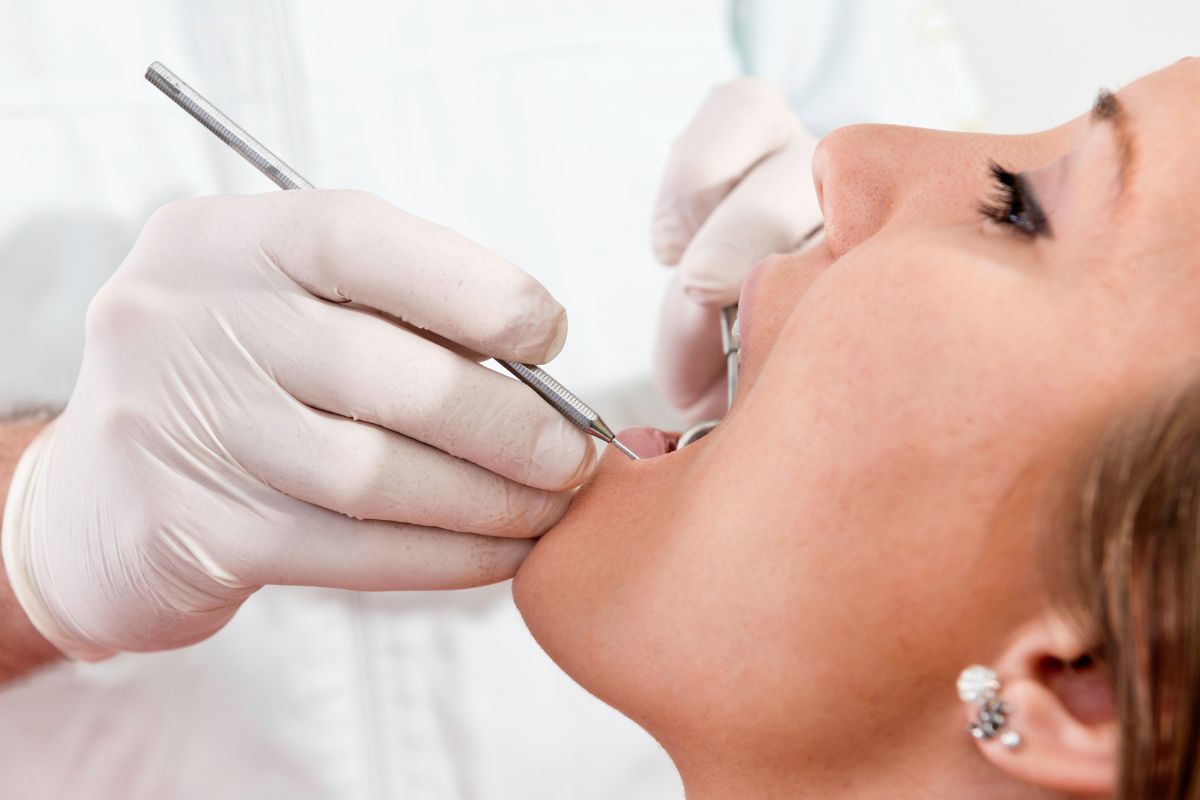
Regular dental exams are essential for maintaining healthy teeth and gums. If you’re wondering what happens during a dental exam and why it’s necessary, you’re not alone. Many patients, especially those who haven’t been to the dentist in a while, are curious about what to expect. In this blog, we’ll break down the process so that you know exactly what happens during a routine dental exam. Let’s dive in.
Why Are Dental Exams Important?
Routine dental exams are essential for detecting issues before they become significant problems. From early detection of cavities to catching signs of gum disease, a dental exam helps prevent oral health problems. According to the American Dental Association (ADA), visiting your dentist every six months can prevent serious dental issues.
What Happens During a Dental Exam?
A dental exam typically includes several steps to assess your oral health comprehensively. Here’s what you can expect:
1. Medical History Review
Before the actual examination begins, your dentist will review your medical history. It’s essential to inform your dentist of any current medications, allergies, or chronic health conditions, as they may impact your oral health or the approach your dentist takes for treatment.
2. X-rays
Depending on the time since your last X-ray, your dentist may recommend taking new dental X-rays. These images give your dentist a better view of areas between and beneath your teeth to identify hidden issues, such as decay, infections, or impacted teeth.
- Stat: X-rays can detect problems like decay between teeth, periodontal (gum) disease, and issues with bone density that are not visible during a physical exam. The ADA recommends X-rays every 6-36 months, depending on your risk factors.
3. Physical Exam
The next step is the physical examination of your teeth and gums. Your dentist will use a small mirror and dental instruments to check each tooth for signs of decay, cracks, or fractures. They will also examine your gums for swelling, redness, or bleeding, which could indicate gum disease.
- Fact: More than 47% of adults over 30 in the U.S. have some form of gum disease, according to the Centers for Disease Control and Prevention (CDC). Early detection during a dental exam is crucial.
4. Gum Health Check
Your gums are just as important as your teeth. During the exam, your dentist will use a probe to measure the depth of the pockets around your teeth. This procedure helps detect early signs of gum disease (gingivitis) or more severe conditions like periodontitis.
5. Oral Cancer Screening
An important but often overlooked part of a dental exam is oral cancer screening. Your dentist will examine your mouth for any signs of abnormal tissue, lumps, or sores. Early detection of oral cancer dramatically increases the chances of successful treatment.
- Fact: About 53,000 people in the U.S. are diagnosed with oral cancer annually, according to the Oral Cancer Foundation. An oral cancer screening is a standard part of most dental exams.
6. Bite and Jaw Alignment Check
Your dentist will assess how your teeth come together when you bite down. Any misalignment can lead to jaw pain, headaches, and even issues like bruxism (teeth grinding). Your dentist may recommend further evaluation or orthodontic treatment if significant alignment issues are detected.
7. Cleaning and Polishing
If you’re due for a cleaning, your dental hygienist will clean and polish your teeth to remove plaque, tartar, and surface stains. This step is crucial for preventing cavities and gum disease.
- Fact: More than 64.7 million adults in the U.S. have gum disease, which is often preventable with regular cleanings.
8. Fluoride Treatment (Optional)
For some patients, especially those at higher risk of cavities, a fluoride treatment may be recommended. Fluoride strengthens tooth enamel and helps protect against decay.
How Often Should You Get a Dental Exam?
For most people, visiting the dentist every six months is sufficient for maintaining oral health. However, individuals with certain risk factors, such as a history of cavities, gum disease, or smoking, may need more frequent visits.
Risk Factors That May Require More Frequent Exams:
- Smoking
- Diabetes
- History of gum disease
- Pregnancy
What Happens If You Skip Dental Exams?
Avoiding routine dental exams can lead to undetected issues, which can quickly worsen over time. Cavities, for example, may not hurt in their early stages but can lead to tooth loss if untreated. Likewise, gum disease may progress without noticeable symptoms until it’s too late.
- Fact: The ADA reports that untreated cavities can result in infections, which may lead to systemic health issues, including heart disease.
When Should You See Your Dentist?
In addition to regular exams, it’s essential to visit your dentist in if you experience any of the following symptoms:
- Persistent tooth pain
- Swelling or redness in your gums
- Loose or wobbly teeth
- Bleeding while brushing or flossing
- Sensitivity to hot or cold foods
If any of these symptoms occur, don’t wait until your next scheduled exam. Early intervention can prevent further complications.
Final Thoughts on Dental Exams
Regular dental exams are a vital part of maintaining good oral health. These visits provide your dentist with the opportunity to spot problems before they become severe, helping you avoid discomfort, complicated treatments, and additional costs. By visiting your dentist in Chandler twice a year, you can keep your smile healthy and bright.
For patients, dental exams offer more than just a quick check-up—they’re an investment in long-term health. If it’s time for your next exam, don’t delay! Schedule an appointment with a dentist today to safeguard your smile for years to come.


