


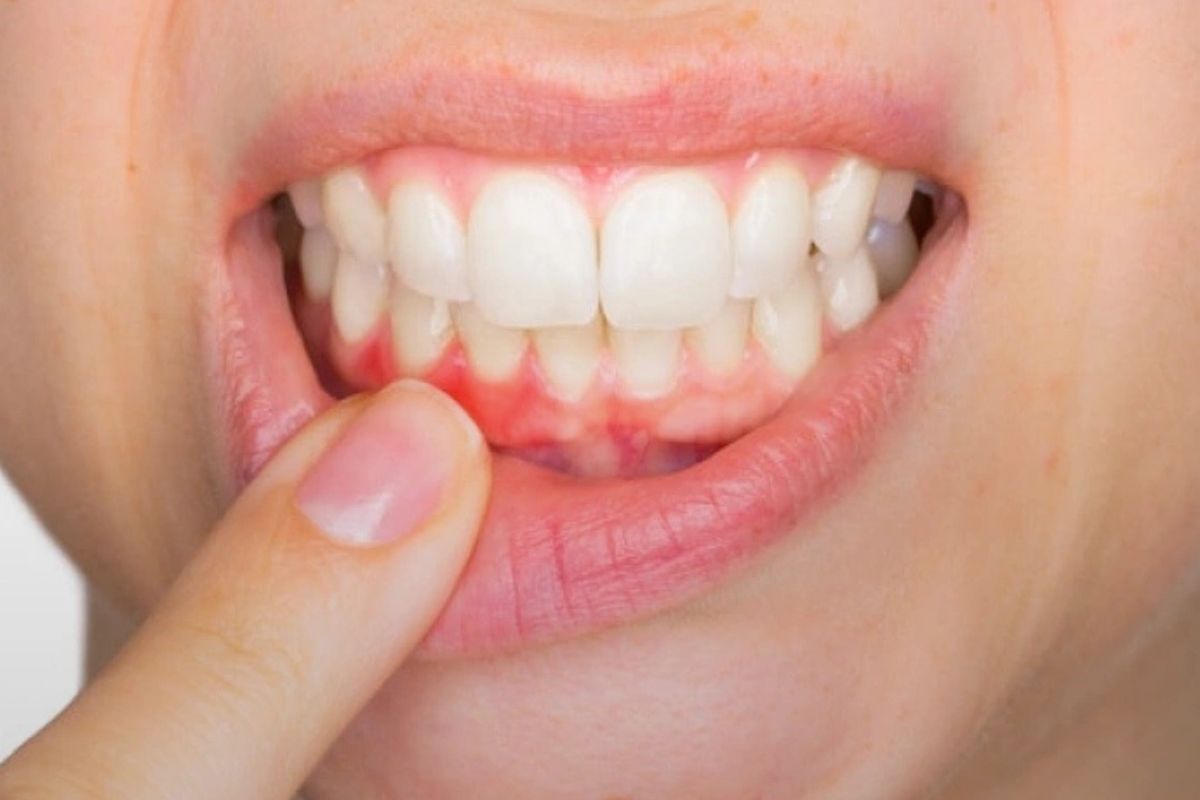
Seeing blood on your floss can be alarming, and many people assume it means they should stop flossing altogether. In reality, bleeding gums are often a sign that something in your oral care routine needs adjustment. Gum bleeding during flossing is common, especially for people who are new to flossing or unknowingly make small mistakes that irritate the gums. The good news is that most of these issues are easy to fix with the right technique and habits.
If gum bleeding occurs frequently, it may be time to examine your flossing technique more closely and consider whether professional guidance from dentists in Chandler could help identify underlying concerns. Understanding what causes gum bleeding is the first step toward healthier gums and a more comfortable flossing experience.
Mistake #1: Skipping Flossing Too Often
One of the biggest reasons gums bleed during flossing is inconsistency. When plaque and bacteria build up along the gumline due to irregular flossing, the gums become inflamed and sensitive. When you finally floss, the irritated tissue is more likely to bleed.
How to fix it:
Floss at least once a day. Within one to two weeks of consistent flossing, most people notice reduced bleeding as the gums heal and inflammation subsides. Consistency is key—healthy gums rarely bleed.
Mistake #2: Using Too Much Force
Many people believe flossing harder cleans better, but aggressive flossing can actually damage gum tissue. Snapping the floss down between teeth or sawing back and forth can cause small cuts in the gums, leading to bleeding and discomfort.
How to fix it:
Use a gentle, controlled motion. Slide the floss slowly between your teeth, curve it into a “C” shape around each tooth, and move it up and down carefully beneath the gumline without forcing it.
Mistake #3: Incorrect Flossing Technique
Even daily flossers may bleed if they’re not using the correct technique. Simply moving floss straight up and down between teeth may miss plaque hiding just below the gumline, where bacteria thrive.
How to fix it:
After inserting the floss, curve it against one tooth at a time and gently move it under the gumline. This allows you to clean areas that brushing alone cannot reach and helps prevent gum inflammation.
Mistake #4: Using the Wrong Type of Floss
Not all floss is created equal. Using floss that’s too thick, rough, or difficult to maneuver can irritate the gums, especially for people with tight spaces between teeth.
How to fix it:
Try different floss types, such as waxed floss, dental tape, or soft floss picks. If traditional floss is challenging, a water flosser can be an effective alternative that’s gentler on sensitive gums.
Mistake #5: Ignoring Early Signs of Gum Disease
Persistent bleeding is often an early warning sign of gingivitis, the mildest form of gum disease. When plaque isn’t removed properly, bacteria cause gum inflammation, redness, swelling, and bleeding.
How to fix it:
Improve your oral hygiene routine by brushing twice daily, flossing consistently, and using an antibacterial mouthwash. Regular dental checkups and professional cleanings are essential to reverse gingivitis before it progresses.
Mistake #6: Brushing Too Hard Before Flossing
Using a hard-bristled toothbrush or brushing aggressively before flossing can weaken gum tissue, making it more prone to bleeding when floss is introduced.
How to fix it:
Switch to a soft-bristled toothbrush and use gentle, circular motions when brushing. Healthy gums respond better to flossing when they aren’t already irritated.
Mistake #7: Skipping Professional Dental Cleanings
Even with excellent home care, tartar can form in hard-to-reach areas. This hardened plaque irritates gums and often causes bleeding during flossing.
How to fix it:
Schedule regular dental cleanings every six months or as recommended. Professional cleanings remove tartar buildup and help keep your gums firm, pink, and healthy.
When Gum Bleeding Is Not Normal
Occasional bleeding can be normal when starting a new flossing routine, but bleeding that persists beyond two weeks should not be ignored. Chronic bleeding may indicate gum disease, vitamin deficiencies, hormonal changes, or other health conditions. Early intervention can prevent more serious dental problems and help preserve your natural smile.
Take the Next Step Toward Healthier Gums
Healthy gums should not bleed every time you floss. By correcting these common mistakes and maintaining consistent oral care, you can significantly reduce gum bleeding and improve overall oral health. If bleeding continues or you notice swelling, tenderness, or bad breath, it’s time to seek professional care. To protect your smile and gums, book an appointment today at 1070 E Ray Rd #7, Chandler, AZ 85225, and get personalized guidance for long-term gum health.
FAQs
1. Is it normal for gums to bleed when I first start flossing?
Yes, mild bleeding is common during the first week of flossing if you haven’t flossed regularly. With consistent and gentle flossing, bleeding should stop within 7–14 days.
2. Should I stop flossing if my gums bleed?
No. Stopping flossing allows plaque buildup to worsen gum inflammation. Continue flossing gently and consistently, and consult a dentist if bleeding persists.
3. Can gum bleeding be a sign of a serious problem?
It can be. Persistent bleeding may indicate gum disease or other health issues. A dental evaluation can determine the cause and prevent further complications.


