


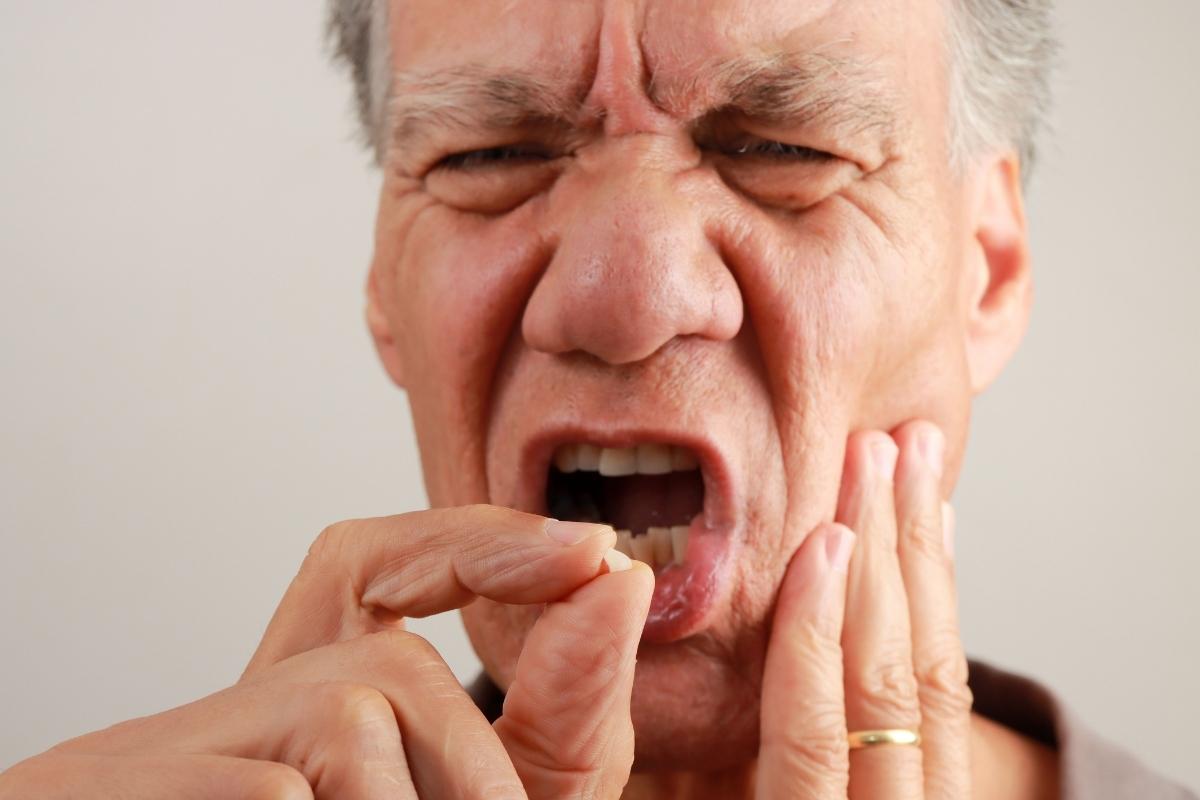
A broken tooth can be a painful and stressful experience, but knowing when to seek professional help can prevent further damage and save your smile. Tooth fractures can range from minor chips that affect only the enamel to severe breaks exposing the inner pulp and nerves. Ignoring a broken tooth can lead to infection, increased sensitivity, or even tooth loss. Understanding the signs of a serious dental injury and what to do in the meantime is crucial for both your oral health and overall well-being.
If you find yourself in sudden pain or notice a visibly damaged tooth, contacting an emergency dentist in Chandler should be your first step. Emergency dental care is designed to handle situations that require immediate attention, including broken or cracked teeth, severe pain, or trauma from accidents. Dentists trained in emergency care can quickly assess the severity of your injury, stabilize the tooth, and recommend the best course of treatment to prevent complications. While waiting to see a dentist, you can manage pain with over-the-counter medications and avoid chewing on the affected side to minimize further damage.
Common Causes of Broken Teeth
Broken teeth can result from a variety of factors, including:
- Trauma: Sports injuries, falls, or accidents can chip or fracture teeth instantly.
- Biting Hard Objects: Chewing ice, hard candies, or bones can weaken enamel over time and lead to fractures.
- Tooth Decay: Cavities weaken tooth structure, making them more susceptible to breakage.
- Grinding Teeth: Chronic teeth grinding (bruxism) wears down enamel and increases the risk of fractures.
Recognizing the cause can help your dentist provide targeted treatment and prevent future dental emergencies.
Symptoms Indicating Immediate Attention
Not all tooth fractures require urgent care, but certain symptoms should prompt a same-day visit:
- Intense or persistent pain
- Swelling in the gums or face
- Visible tooth fragments or chips
- Sensitivity to hot or cold temperatures
- Bleeding around the tooth
Prompt evaluation ensures that underlying damage is treated, avoiding potential infection or root complications.
Treatment Options for a Broken Tooth
Depending on the severity of the fracture, your dentist may recommend one of several treatments:
- Dental Bonding: Minor chips can be repaired with composite resin, restoring both appearance and function.
- Dental Crown: For larger fractures, a crown covers and protects the remaining tooth structure.
- Root Canal Therapy: If the pulp is exposed or infected, a root canal removes damaged tissue and preserves the tooth.
- Extraction and Replacement: Severely damaged teeth that cannot be saved may need removal, followed by implants, bridges, or partial dentures.
Your dentist will evaluate the best solution based on the fracture location, tooth health, and your overall oral hygiene.
At-Home Care While Waiting for Treatment
While waiting for your emergency appointment, follow these steps to protect your tooth:
- Rinse gently with warm salt water to clean the area.
- Use a cold compress to reduce swelling and discomfort.
- Avoid chewing on the affected side of your mouth.
- Take over-the-counter pain relief as needed.
These measures can help manage symptoms and prevent further injury until professional care is available.
Preventing Future Tooth Breakage
Maintaining strong, healthy teeth reduces the risk of future fractures:
- Practice good oral hygiene with brushing and flossing.
- Wear a mouthguard during sports or high-impact activities.
- Avoid chewing hard substances like ice or hard candy.
- Schedule regular dental checkups for early detection of cavities or enamel wear.
Being proactive about dental health can minimize emergencies and keep your smile intact.
A broken tooth may seem alarming, but with prompt care, it can often be repaired successfully. Don’t wait to get help—schedule an appointment at our office located at 1070 E Ray Rd #7, Chandler, AZ 85225, and ensure your smile receives the treatment it needs.
FAQs
Q1: Can a small chip in my tooth wait until my next dental appointment?
A: Minor chips that do not cause pain may not be an emergency, but you should still have them examined to prevent further damage or infection.
Q2: How long does it take to fix a broken tooth?
A: Treatment duration varies by severity. Simple bonding may take one visit, while crowns or root canals can require multiple appointments.
Q3: Will repairing a broken tooth hurt?
A: Dentists use local anesthesia to ensure treatment is painless. Post-procedure sensitivity may occur but is usually temporary.


