


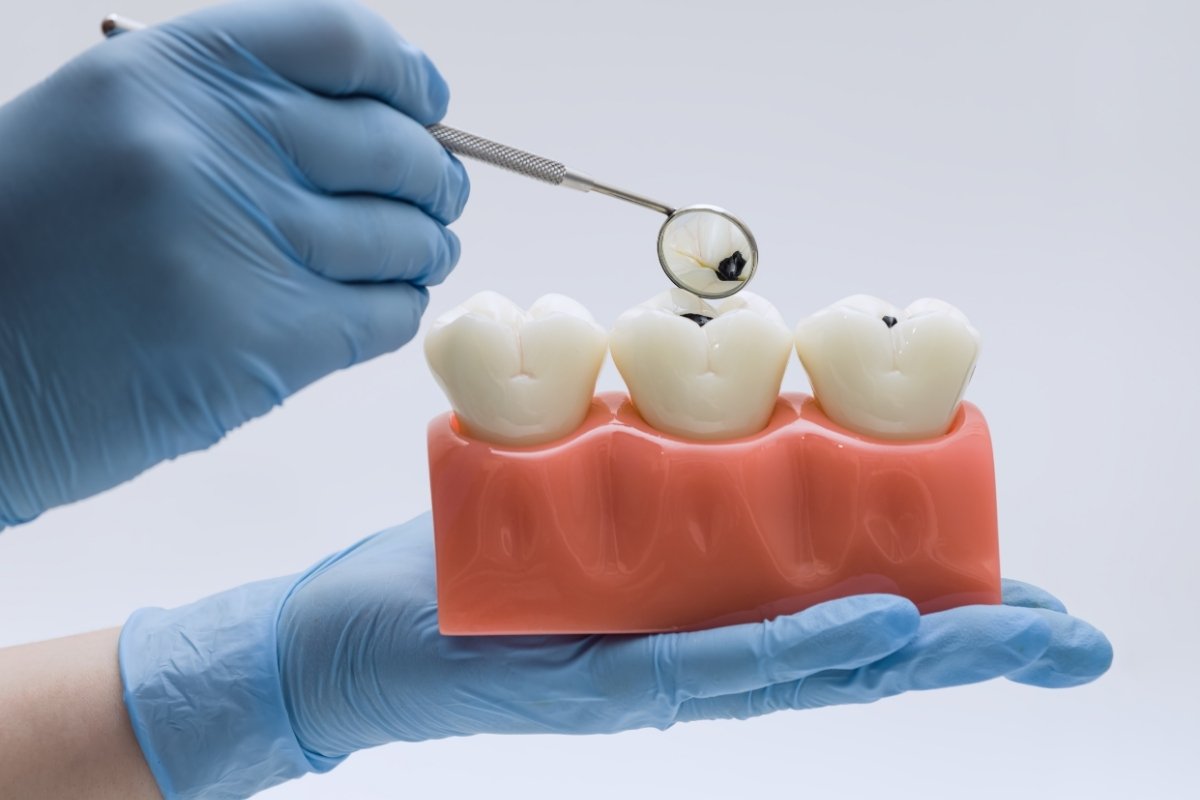
Sugar is a staple in many of our favorite foods and drinks, from sodas and candies to pastries and sweetened coffees. While it might satisfy your taste buds, excess sugar can wreak havoc on your dental health. At Provinces Dental, our goal is to help Chandler residents maintain healthy, vibrant smiles while enjoying the foods they love. Dr. David C. Poelman, our experienced dentist, explains how sugar affects teeth and shares professional tips to protect your smile.
How Sugar Harms Your Teeth
When you consume sugary foods and beverages, the sugar interacts with the natural bacteria in your mouth. This combination produces acids that attack tooth enamel—the hard, protective outer layer of your teeth. Over time, these acids can lead to:
- Tooth decay – The enamel gradually weakens, causing cavities.
- Gum disease – Acidic buildup irritates gums, leading to inflammation and potential infection.
- Enamel erosion—Repeated exposure wears down enamel, making teeth sensitive and more prone to fractures.
- Staining and discoloration—Frequent sugary drinks, like soda or energy drinks, can contribute to yellowing or staining of your teeth.
Dr. Poelman says that how often you eat sugar is as important as how much. Snacking on sugary treats throughout the day constantly exposes teeth to harmful acids, increasing the risk of cavities and gum issues.
Hidden Sugars: The Silent Smile Saboteurs
Many individuals often underestimate their daily sugar intake. Sugar is not only found in obvious sweets; it can also be hidden in:
- Flavored yogurts
- Granola bars
- Breakfast cereals
- Sauces and dressings
- Packaged snacks and beverages
Reading labels carefully can help you identify hidden sugars and make smarter choices for your dental health at Provinces Dental.
Expert Tips from Your Dentist to Protect Your Smile
- Limit Sugar Intake
Reducing sugar is the most effective way to protect your teeth. Opt for natural sweeteners or fruits instead of candies and soda. Even small changes, like cutting back on sugary coffee drinks, can make a significant difference. - Brush and Floss Regularly
Brushing twice daily with fluoride toothpaste and flossing at least once a day removes sugar residues and harmful bacteria before they can damage enamel or gums. Dr. Poelman recommends paying extra attention after consuming sugary foods or drinks. - Rinse with Water
Swishing water around your mouth after a sweet snack helps wash away lingering sugar and neutralizes acids. This simple step is especially useful when brushing isn’t immediately possible. - Chew Sugar-Free Gum
Chewing sugar-free gum stimulates saliva production, which naturally helps neutralize acids and remineralize enamel. Look for gums with xylitol, a natural sweetener that helps reduce cavity-causing bacteria. - Regular Dental Checkups
Routine dental visits are crucial. Dr. David C. Poelman can identify early signs of decay, provide professional cleanings, and recommend treatments or preventive solutions tailored to your needs. Catching problems early saves your smile—and your wallet.
The Role of Fluoride and Sealants
Fluoride strengthens enamel, making teeth more resistant to acid attacks. Using a fluoride toothpaste and drinking fluoridated water are easy, effective ways to reduce decay. For children and adults at higher risk of cavities, dental sealants—a protective coating applied to the chewing surfaces of teeth—can offer additional defense against sugar-related damage.
Healthy Habits Beyond Brushing
Maintaining a sugar-conscious lifestyle is just one piece of the puzzle. Other habits that support a healthy smile include:
- Eating a balanced diet—include plenty of vegetables, lean proteins, and calcium-rich foods.
- Drinking water instead of sugary beverages keeps your mouth hydrated and rinses away acids.
- Avoiding late-night snacking—Saliva production decreases at night, making teeth more vulnerable to decay.
By integrating these habits with regular dental care, you can enjoy treats without compromising your oral health.
When to See Your Dentist
Persistent tooth sensitivity, gum swelling, or visible cavities are signs that it’s time to schedule a dental checkup. Dr. Poelman advises that early intervention is key to preventing more serious dental issues, such as infections or tooth loss.
Sugar doesn’t have to be the enemy, but moderation and proper oral hygiene are essential to keeping your teeth and gums healthy. Following the guidance of an experienced dentist like Dr. David C. Poelman ensures your smile stays bright and strong for years to come.
Book your appointment today or visit our dental office at 1070 E Ray Rd #7, Chandler, AZ 85225 to learn more about sugar-free alternatives, professional cleanings, and personalized dental care plans that protect your smile.
FAQs
1. How does sugar cause cavities?
Sugar interacts with bacteria in the mouth to form acids that erode tooth enamel, leading to cavities over time.
2. Can I enjoy sweets without harming my teeth?
Yes, by consuming sugary foods in moderation, rinsing with water afterward, and maintaining proper brushing and flossing habits.
3. What are hidden sources of sugar I should watch for?
Sugar is often found in flavored yogurts, cereals, granola bars, sauces, and processed snacks. Reading nutrition labels can help identify these sources.
4. How often should I visit my Chandler dentist for prevention?
Routine dental checkups every six months are recommended to detect early signs of decay and maintain optimal oral health.


