


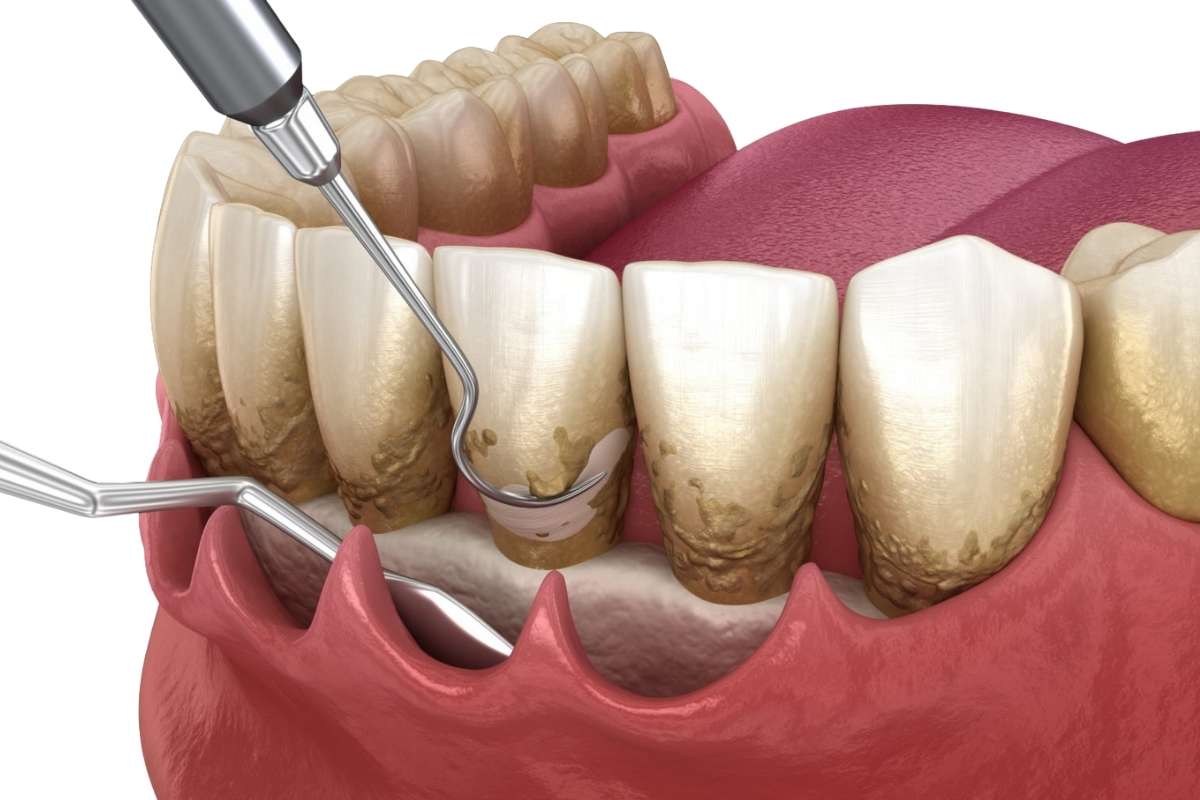
You brush twice a day, floss regularly, and still notice that stubborn layer of plaque forming on your teeth. If this sounds familiar, you’re not alone. Even with diligent oral hygiene, plaque can persist due to several factors. Understanding why it happens is the first step toward a healthier, cleaner smile.
What Is Plaque?
Plaque is a sticky, colorless film of bacteria that constantly forms on your teeth. When bacteria interact with food particles and saliva, they produce acids that can lead to tooth decay and gum disease. While brushing and flossing remove a significant portion of plaque, it’s nearly impossible to eliminate it on your own.
Common Reasons Plaque Persists
- Brushing Technique Matters
Even if you brush twice a day, improper technique can leave plaque behind. Make sure to:- Brush for at least two minutes.
- Use a soft-bristled toothbrush and gentle circular motions.
- Angle your brush toward the gum line to remove bacteria in hard-to-reach areas.
- Flossing Is Not Enough
Flossing removes plaque between teeth, but if done incorrectly or inconsistently, plaque can remain. Try to floss gently along the sides of each tooth, curving the floss into a C-shape around the tooth for best results. - Diet and Lifestyle
Frequent snacking, sugary foods, and beverages can accelerate plaque formation. Smoking or vaping also contributes to bacterial buildup, making plaque harder to control. - Saliva Composition and Genetics
Some people naturally produce more plaque due to genetics or saliva composition. Your mouth’s pH level and bacterial balance can influence how quickly plaque accumulates. - Hard-to-Reach Areas
Plaque often hides in areas your toothbrush or floss can’t reach, such as:- Behind the lower front teeth
- Between crowded or overlapping teeth
- Along with dental restorations like crowns or bridges
How to Manage Persistent Plaque
Even if plaque continues to appear, there are effective ways to manage it:
- Professional Dental Cleanings: Regular dental visits in Chandler, AZ, can remove plaque and tartar buildup that home care can’t. Book a dental cleaning with our dental team today.
- Antibacterial Mouthwash: Rinsing with an ADA-approved mouthwash can help reduce plaque-causing bacteria.
- Electric Toothbrush: Studies show that electric toothbrushes are more effective at removing plaque compared to manual brushes.
- Diet Adjustments: Limiting sugar and acidic foods can slow plaque formation.
When to See a Dentist
Persistent plaque can lead to serious dental issues such as cavities, gum disease, and bad breath. If you notice red, swollen gums or recurring tartar buildup, it’s time to schedule a visit with a trusted dentist. Our team at Provinces Dental offers personalized advice and preventive care tailored to your needs.
Plaque is a normal part of oral health, but it doesn’t have to control your smile. By combining proper brushing and flossing techniques, regular dental visits, and lifestyle adjustments, you can minimize plaque and maintain healthier teeth and gums. Don’t let plaque win—schedule your dental cleaning today and enjoy a brighter, healthier smile.


