


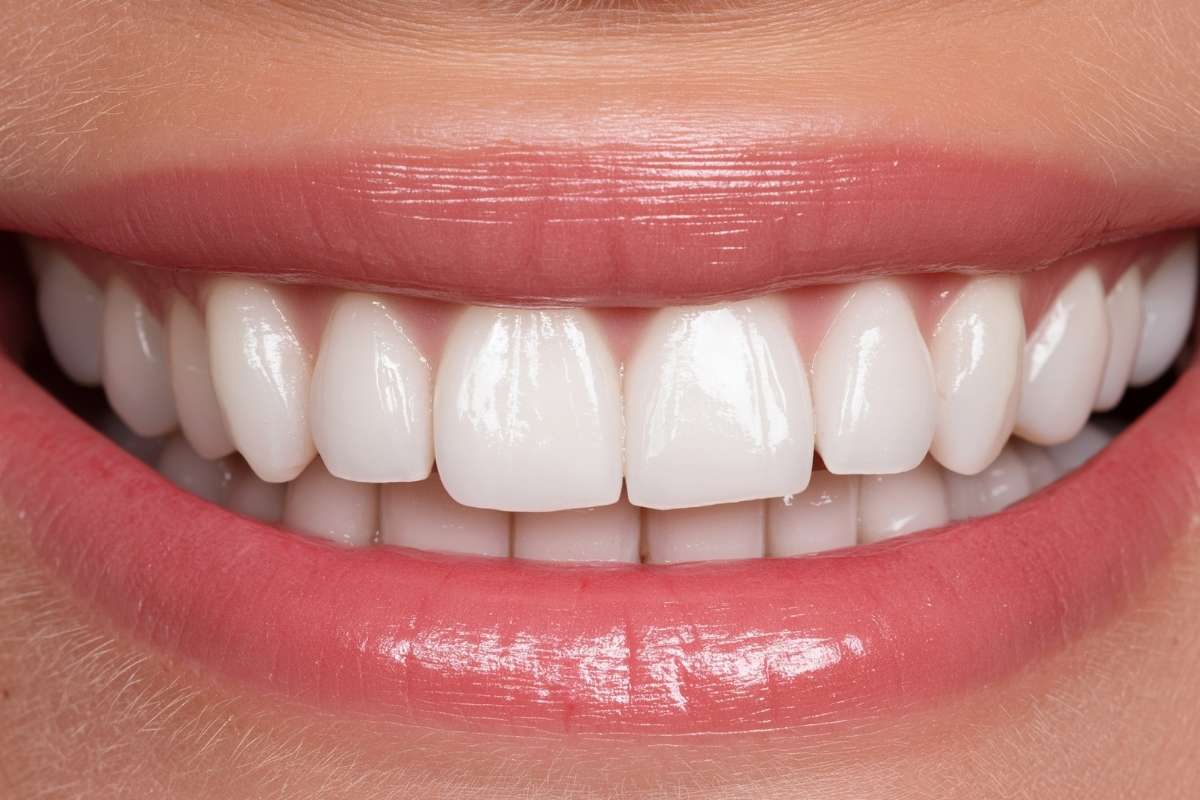
White spots on teeth can be frustrating, especially when they stand out against an otherwise healthy smile. These chalky or cloudy patches often appear after orthodontic treatment, due to enamel demineralization, fluorosis, or uneven mineral development. While they are usually harmless, many patients want to know one important thing: how long does it take to remove white spots from teeth? The answer depends on the cause of the spots and the treatment option chosen.
In this blog, we’ll break down what causes white spots, the most effective treatment options available today, and realistic timelines for seeing results—so you can make an informed decision about restoring a smooth, even smile.
What Causes White Spots on Teeth?
White spots develop when the enamel loses minerals or forms unevenly. Common causes include poor oral hygiene during braces, excessive fluoride exposure during childhood, early enamel decay, or trauma to developing teeth. Because the enamel structure is altered, white spots don’t respond the same way as surface stains, which is why treatment time can vary significantly.
How Long Does It Take to Remove White Spots?
The timeline for removing white spots depends on the severity of the spots and the treatment method. Some solutions work almost instantly, while others require weeks or months of gradual improvement. For mild cases, professional cosmetic procedures can noticeably improve the appearance in a single visit. More complex cases may require a combination of treatments over time.
Our dental office is offering teeth whitening treatment in Chandler. Fluency and clarity in explaining expectations are key; patients should understand that whitening alone may not fully eliminate white spots, but it can help blend them with the surrounding enamel when used appropriately.
Treatment Options and Their Timelines
1. Remineralization Therapy (Weeks to Months)
For early-stage white spots caused by demineralization, remineralizing agents like fluoride varnishes or calcium-based pastes may help. These treatments strengthen enamel and gradually reduce the contrast of white spots over several weeks or months. This is a conservative option but requires patience and consistency.
2. Professional Teeth Whitening (1–2 Visits)
Whitening can sometimes reduce the visibility of white spots by brightening the surrounding enamel. However, in some cases, white spots may temporarily appear more noticeable before blending in. Results can be seen within one or two professional sessions, but whitening alone may not completely remove the spots.
3. ICON Resin Infiltration (Single Visit)
This minimally invasive cosmetic treatment is one of the fastest solutions for white spots. A clear resin is infiltrated into the porous enamel, blending the white area with the natural tooth color. Many patients see dramatic improvement in just one appointment, making this one of the quickest options available.
4. Dental Bonding or Veneers (1–2 Visits)
For severe or stubborn white spots, cosmetic bonding or porcelain veneers may be recommended. These options physically cover the affected enamel and can deliver immediate, long-lasting results, usually within one or two visits.
Choosing the Right Treatment
The best way to determine how long treatment will take is through a professional evaluation. Factors such as enamel health, spot depth, and cosmetic goals all play a role. A skilled dentist will recommend a solution that balances effectiveness, longevity, and aesthetics. Many patients appreciate working with experienced professionals like Dr. David C. Poelman, who focuses on personalized cosmetic solutions designed to deliver natural-looking, predictable results.
Can White Spots Come Back?
In most cases, cosmetic treatments like resin infiltration, bonding, or veneers provide long-term improvement. However, if the underlying cause—such as poor oral hygiene or an acidic diet—continues, new white spots may develop. Maintaining good oral care and regular dental visits is essential for preserving results.
What’s the Average Timeline?
To summarize:
- Mild white spots: Weeks to months with remineralization
- Moderate white spots: 1–2 visits with whitening or resin infiltration
- Severe white spots: Immediate results with bonding or veneers
Your exact timeline will depend on your unique dental condition and the treatment you choose.
If white spots are affecting your confidence, the first step is a professional consultation. Schedule an appointment today to explore personalized treatment options and take the first step toward a brighter, more even smile.
FAQs
1. Can white spots on teeth be removed completely?
In many cases, yes. Treatments like resin infiltration, bonding, or veneers can significantly reduce or fully eliminate the appearance of white spots, depending on their cause and depth.
2. Does teeth whitening make white spots worse?
Temporarily, white spots may appear more noticeable during whitening. However, with professional guidance, whitening can help blend the spots with the surrounding enamel over time.
3. Are white spots a sign of tooth decay?
Sometimes. Early enamel demineralization can appear as white spots. A dental exam is important to determine whether the spots are cosmetic or related to early decay.


