


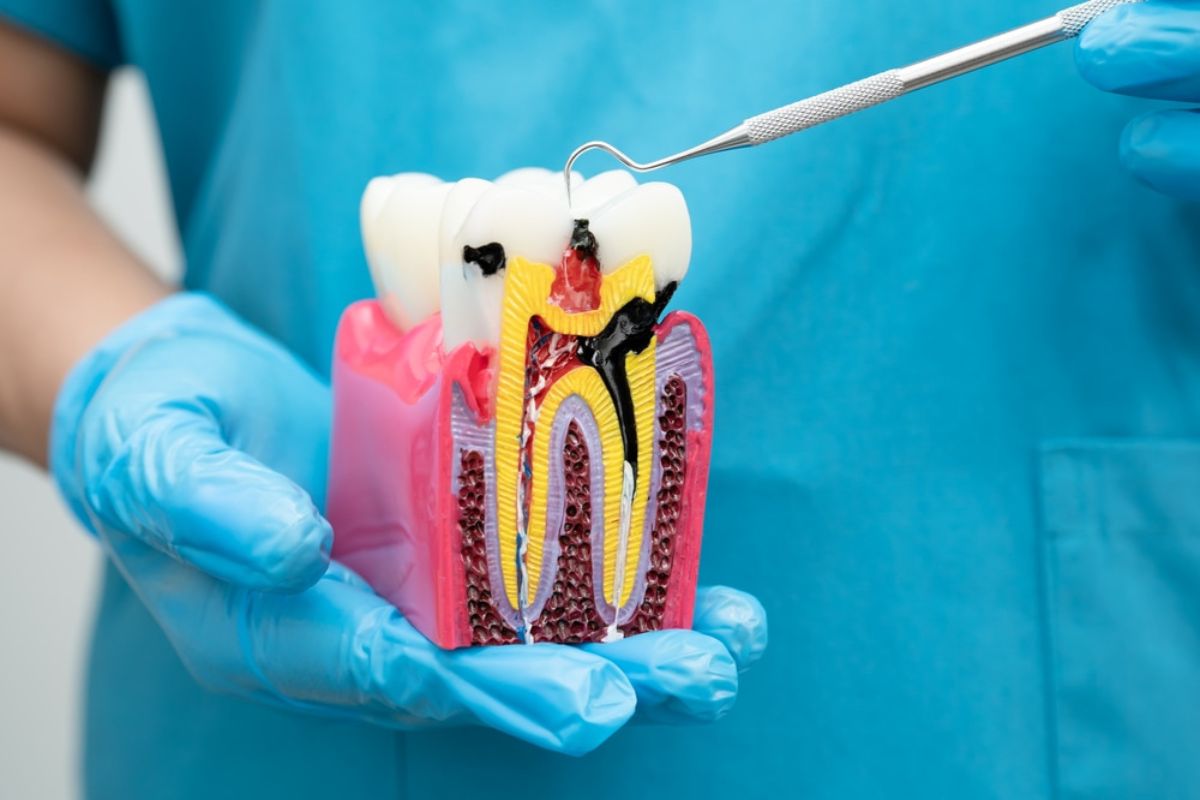
Protecting your teeth after a dental procedure is essential to avoid further complications. If you have recently received a filling, further damage or infection can harm your tooth’s natural structure. During this condition, your dentist might recommend a root canal.
Wondering whether the right care and preventive measures can keep your teeth healthy and avoid needing endodontic care? Here are some effective strategies to help you safeguard your oral health after a filling session.
1. Make Oral Hygiene a Priority
Your first line of defense against inflammation and tooth decay is maintaining good dental hygiene. Try the following to maintain the strength and health of your teeth following dental fillings:
- To strengthen the enamel and avoid cavities, use fluoride toothpaste twice a day.
- Remove food particles and plaque from between your teeth with flossing.
- Reduce bacterial invasion that can cause infection by using an antibacterial mouthwash.
2. Routine Dental Checkups
For the early detection of possible oral health problems, regular examinations are essential. Your dentist can monitor the health of your dental fillings and identify any damage, decay, or abscess early on. Periodic cleanings also aid in removing plaque accumulation, which may be a contributing factor to other dental issues.
It is advised that you visit your dentist every six months. To avoid more serious issues, get help right away if you feel tooth sensitivity or discomfort.
3. Tooth-Colored Restoration
Selecting tooth-colored, high-quality restorations throughout your dental filling session might help lower the chance of further damage. In addition to blending in seamlessly with your teeth, composite materials offer a stronger bond that keeps them from loosening or splitting. This lessens the possibility that bacteria will infiltrate and cause an infection, necessitating more intrusive treatments like root canals.
4. Watch Your Eating Habits
What you eat after dental work can significantly impact the longevity of your filling procedure. To protect your teeth:
- Avoid chewing on objects like ice, pens, or hard candies, as these can cause fractures or weaken the dental restoration.
- Don’t eat sticky or chewy foods, which can dislodge or loosen fillings.
- Choose softer, easy-to-chew foods, especially in the days following your procedure, to prevent unnecessary stress.
5. Quickly Address Any Sensitivity or Discomfort
Mild sensitivity is a common side effect of dental restorations. Do not disregard prolonged discomfort, swelling, or tenderness, though, as these could indicate an infection or other issues. For a thorough evaluation and customized treatment plan, visit your dentist.
Dental fillings preserve the teeth’s structural integrity and lessen the impact of cavities. To prevent a root canal after this restoration, you must, however, keep up a healthy diet, go to routine examinations, and pay close attention to your oral hygiene.


