


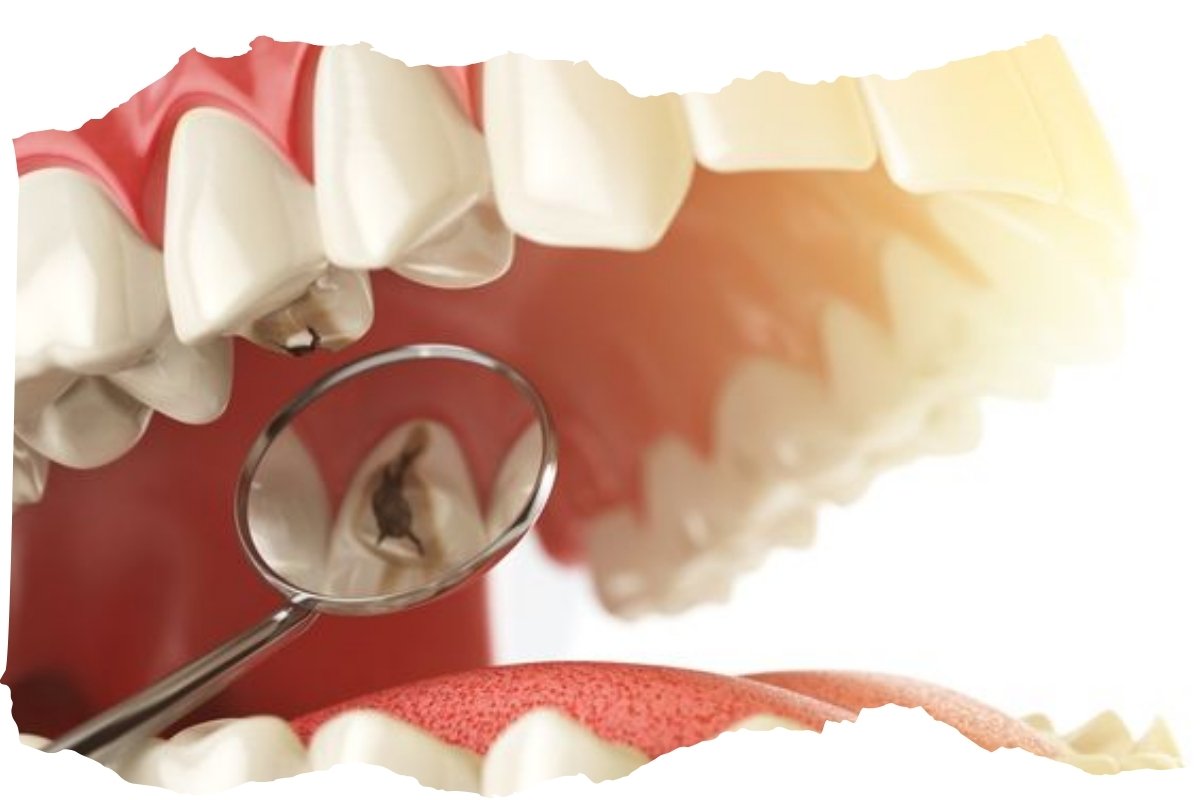
Cavities are one of the most common dental problems, yet many people assume they will always cause pain. The truth is that tooth decay often begins quietly. In its early stages, a cavity may not hurt at all, which means it can progress without you noticing until the damage becomes significant.
Understanding the subtle warning signs can help you catch a cavity early and prevent more serious dental problems. If you live in the Chandler area, recognizing these signs and scheduling a professional dental exam can help protect your smile before a small issue turns into a bigger one.
Below are 10 signs you might have a cavity—even if your teeth don’t hurt.
1. Tooth Sensitivity to Hot, Cold, or Sweet Foods
One of the earliest signs of tooth decay is increased tooth sensitivity. You may notice a quick, sharp sensation when drinking hot coffee, eating ice cream, or enjoying sugary foods.
This happens because cavities gradually weaken the enamel—the protective outer layer of your tooth—exposing the inner dentin layer. When this occurs, temperature changes and sugar can easily trigger sensitivity.
While sensitivity does not always mean a cavity, it is a strong signal that your tooth enamel may be compromised.
2. White, Brown, or Dark Spots on Teeth
Tooth decay often starts as discoloration on the enamel. Early cavities may appear as the following:
- Chalky white spots
- Light brown areas
- Dark stains on the chewing surfaces
These spots indicate demineralization, which means your enamel is losing important minerals due to acid produced by bacteria.
Because these changes may be subtle, many people miss them unless a dentist examines their teeth closely.
3. Persistent Bad Breath
Chronic bad breath, also called halitosis, can sometimes indicate a cavity. When bacteria build up inside a decaying tooth, they produce unpleasant odors.
If you brush and floss regularly but still experience ongoing bad breath, tooth decay could be contributing to the problem.
4. A Rough or Pitted Feeling on a Tooth
Your tongue is surprisingly good at detecting changes in your teeth. If you notice that a tooth suddenly feels rough, uneven, or slightly pitted, it may be a sign that enamel has begun to break down.
Even small cavities can create tiny holes or grooves in a tooth’s surface.
5. Food Frequently Getting Stuck in the Same Spot
If food regularly gets trapped between certain teeth, it might be more than an annoyance.
Cavities often form between teeth, where plaque and bacteria accumulate. As the decay grows, it can create a space that traps food particles.
Repeated food trapping can increase the risk of further decay if not addressed promptly.
6. Tooth Sensitivity When Biting Down
While severe cavities may cause intense pain when chewing, early decay can cause mild pressure sensitivity instead.
If you feel a slight discomfort when biting into firm foods, it may indicate that the tooth structure has been weakened by decay.
7. Bleeding or Irritated Gums Near One Tooth
Although bleeding gums are often associated with gum disease, they can also occur when plaque builds up around a decaying tooth.
If you notice localized gum irritation around a single tooth, it could be a sign that bacteria are collecting near a cavity.
8. A Shadow or Dark Area Visible on X-Rays
Some cavities cannot be seen with the naked eye, especially those located between teeth or under existing dental work.
Dentists often detect hidden cavities through routine dental X-rays, which reveal darker areas where tooth structure has been lost.
This is one reason regular dental checkups are so important—even when your teeth feel fine.
9. A Small Hole in the Tooth
As decay progresses, a cavity may eventually create a visible hole or pit in the tooth surface.
At this stage, you may notice:
- A tiny opening on the chewing surface
- A dark dot on the tooth
- Increased sensitivity
Even if the hole is small and painless, treatment is necessary to prevent further damage.
10. A Tooth That Feels Slightly Different
Sometimes, the only noticeable sign of a cavity is that a tooth feels different from the others.
You may experience:
- Slight pressure
- Mild sensitivity
- A subtle texture change
These small changes are often early warning signals that should not be ignored.
Why Cavities Don’t Always Hurt
Pain usually occurs later in the cavity development process. Early decay affects only the outer enamel, which does not contain nerves.
As the cavity grows deeper and reaches the dentin or pulp of the tooth, pain and infection can develop.
Because of this, many cavities remain silent for months or even years, making routine dental exams essential.
Common Causes of Cavities
Cavities develop when bacteria in your mouth produce acids that break down tooth enamel. Several factors increase your risk, including:
- Poor oral hygiene habits
- Frequent consumption of sugary foods and drinks
- Dry mouth
- Plaque buildup
- Irregular dental visits
- Deep grooves in molars
Maintaining good oral care habits and visiting your dentist regularly can significantly reduce your risk of tooth decay.
How Dentists Treat Cavities
The treatment for cavities depends on how advanced the decay is. Early detection allows dentists to use simpler, less invasive treatments.
Common cavity treatments include the following:
Dental Fillings
For most cavities, the damaged portion of the tooth is removed and replaced with a durable filling material.
Dental Crowns
If a cavity has weakened a large portion of the tooth, a crown may be used to restore strength and appearance.
Root Canal Treatment
When decay reaches the tooth’s pulp, root canal therapy may be necessary to remove infection and save the tooth.
Early treatment not only preserves your natural tooth but also prevents more complex procedures.
How to Prevent Cavities
Preventing cavities is easier than treating them. Simple daily habits can help protect your teeth for years to come.
Effective cavity prevention tips include:
- Brushing twice daily with fluoride toothpaste
- Flossing every day
- Limiting sugary snacks and beverages
- Drinking plenty of water
- Visiting your dentist for regular cleanings and exams
- Considering dental sealants for extra protection
These preventive measures help strengthen enamel and reduce bacterial buildup.
At Provinces Dental, our experienced dental team is committed to helping patients maintain healthy, confident smiles.
Our dentists combine advanced technology, modern treatment techniques, and compassionate care to provide personalized solutions for every patient. Whether you need preventive care, cavity treatment, or restorative dentistry, we focus on creating a comfortable and positive dental experience.
We believe that education and early detection play a key role in protecting your oral health, which is why our team takes the time to carefully evaluate your teeth and explain the best treatment options available.
Protect Your Smile with Early Detection
Cavities rarely appear overnight. They develop gradually, often without obvious symptoms at first. Paying attention to subtle signs—such as tooth sensitivity, discoloration, or food trapping—can help you identify potential issues early.
Regular dental checkups remain the most reliable way to detect cavities before they cause pain or serious damage. Book your appointment today and visit our dental office at 1070 E Ray Rd #7, Chandler, AZ 85225.


